

The Story Behind Desert Shield’s First Avian Field Identification & Monitoring Workshop
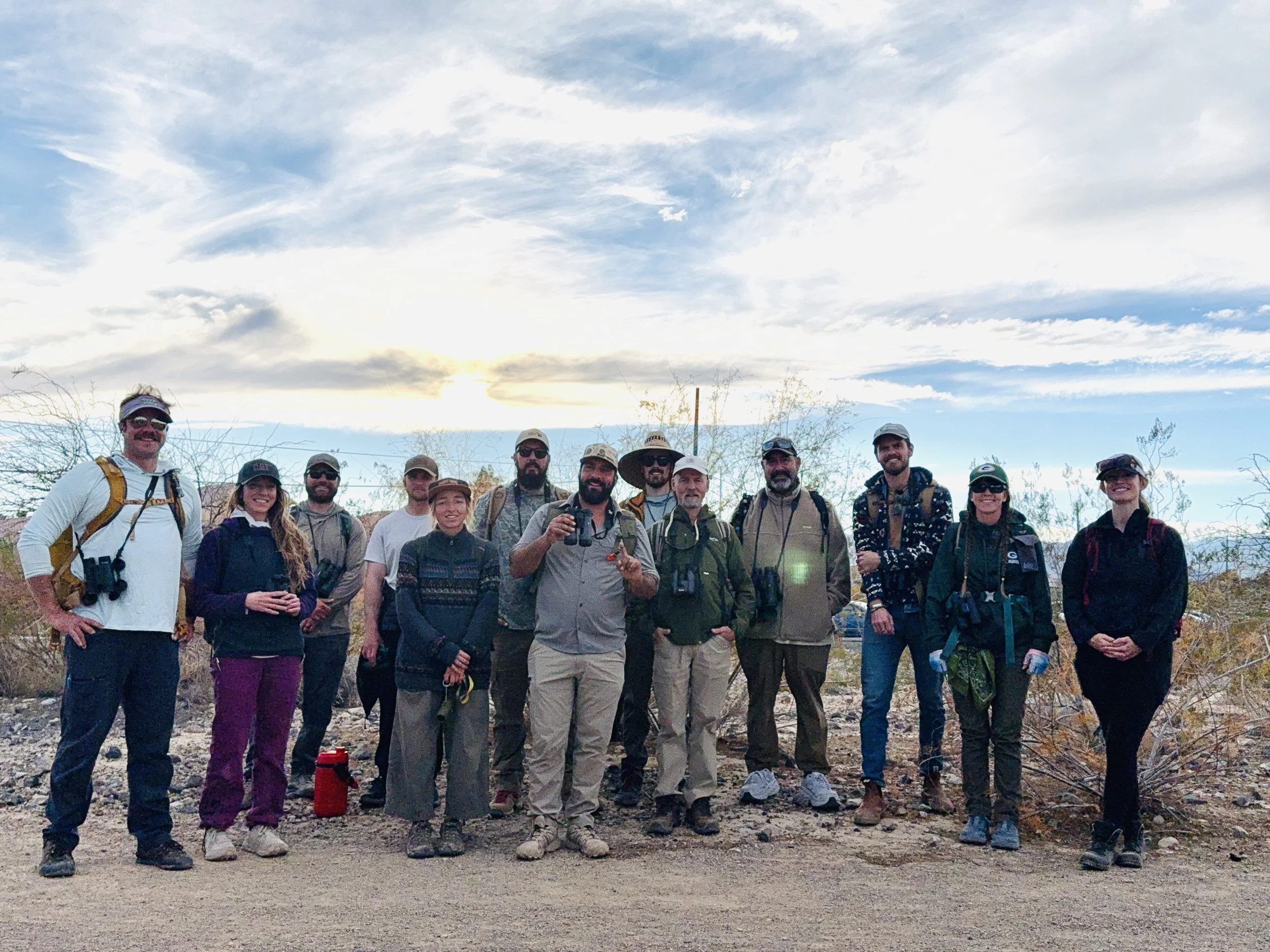
December 13-15, 2025 Workshop Attendees: A field day from Desert Shield’s December 2025 Introduction to Avian Field Identification & Monitoring Techniques workshop, where participants practiced real-world avian observation, identification, and compliance-focused field skills.
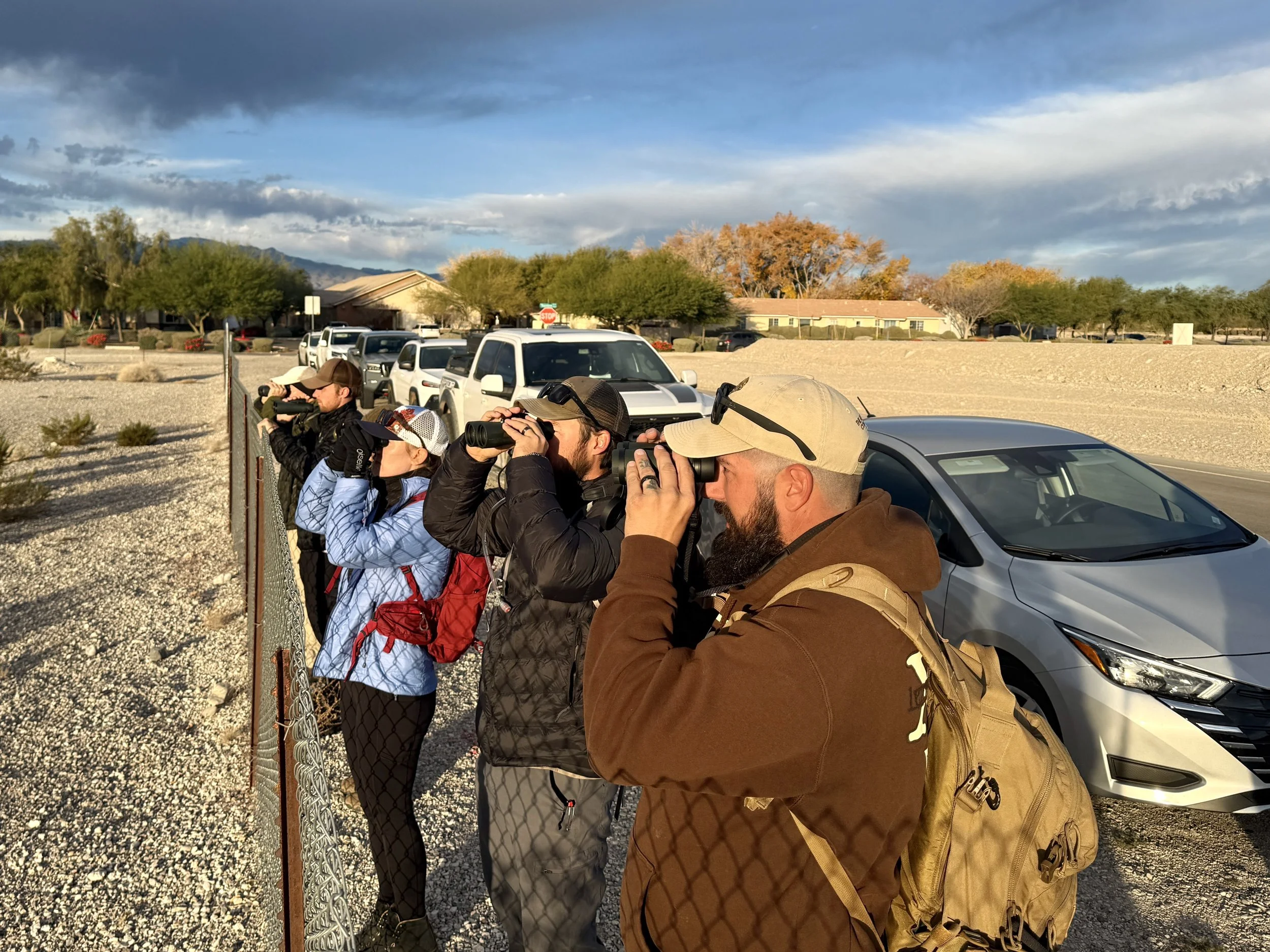
Hands-on binocular practice during Desert Shield’s December 2025 Avian Workshop, where participants strengthened their bird ID, observation, and monitoring skills in the field.
The first avian workshop…
In December 2025, Desert Shield Environmental Professionals hosted its first-ever Introduction to Avian Field Identification & Monitoring Techniques workshop in Las Vegas, Nevada.
It began with a simple idea to create meaningful training opportunities that could help veterans build new careers in environmental compliance, biological monitoring, and field biology.
Caitlin MacMurtrie, founder of Desert Shield Environmental Professionals, reached out to her longtime colleague and friend, Alex Harper of Nature in Mind, to discuss the idea of co-hosting an introductory avian workshop. The goal was to help veterans gain practical field skills, connect with environmental work, and explore career paths beyond traditional contract jobs.
Alex was immediately excited by the idea.
That conversation became the starting point for Desert Shield’s first avian field training workshop.
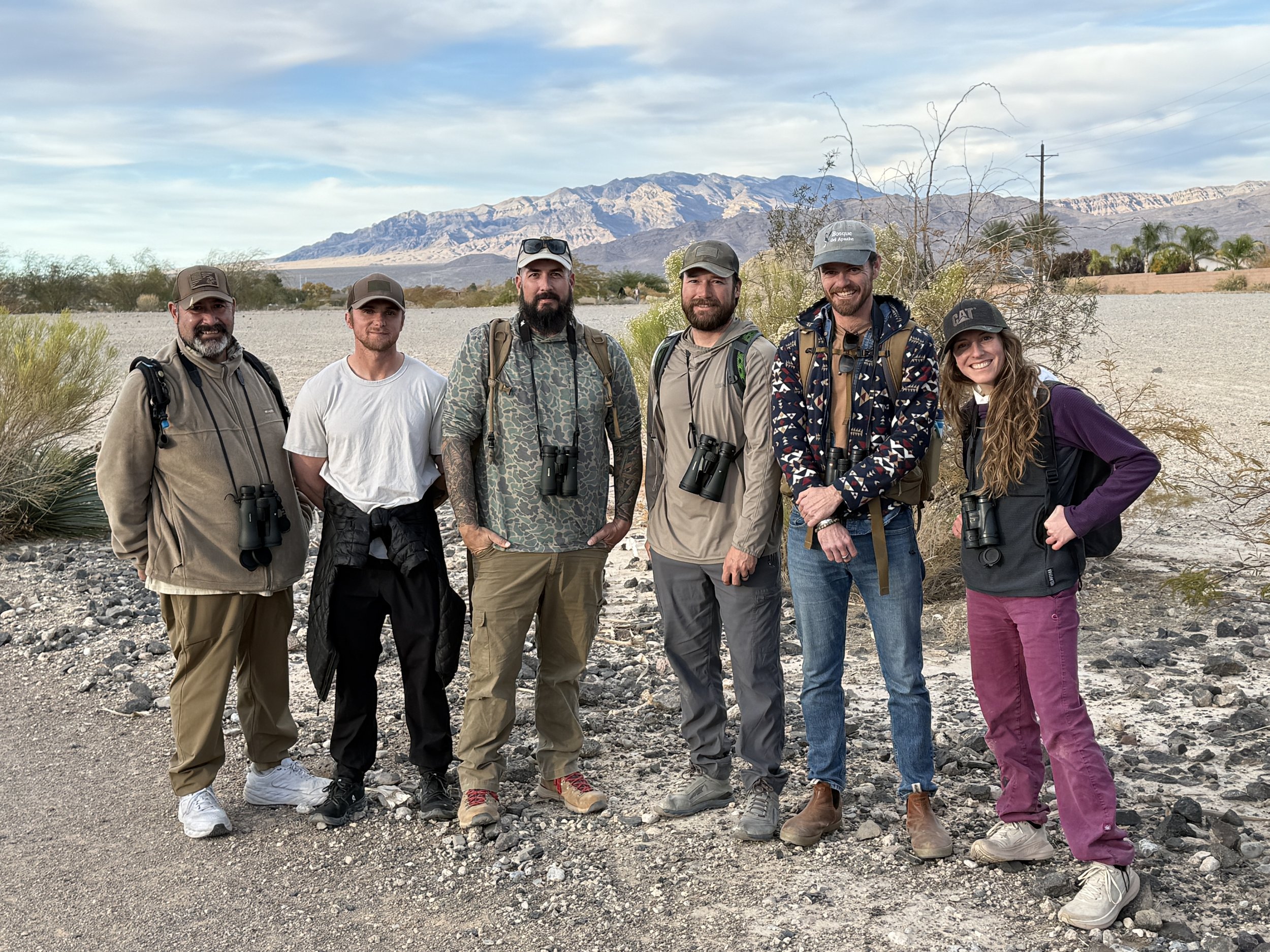
The idea that started the workshop series
One of the main goals behind the first avian monitoring and identification workshop was to create a pathway for veterans interested in environmental careers.
Veterans often bring field awareness, discipline, safety experience, communication skills, and the ability to work in challenging outdoor conditions. Those strengths can transfer well into biological monitoring, environmental compliance, construction monitoring, nesting bird surveys, and field survey work.
The first workshop had four veterans participate out of ten participants, which was an important milestone for Desert Shield’s training mission.
At the same time, the response from the community was much larger than expected. More than thirty people expressed interest in the first workshop. Along with veterans, working biologists, field technicians, students, and environmental professionals wanted to join because they were looking for ways to increase their expertise and field capabilities.
A clear need for more field training
That response showed Desert Shield something important. There is a real need for continued field training after people enter the environmental industry.
Many biologists are expected to keep improving their field skills on their own. In the real world, a lot of bird identification, avian monitoring, and compliance field knowledge is self-taught, learned on the job, or picked up through trial and error.
The success, feedback, and referrals from the December workshop helped Desert Shield realize that this training could serve two important goals at the same time: continue supporting veterans who want meaningful environmental careers and help build more capable, better prepared biologists in the field.
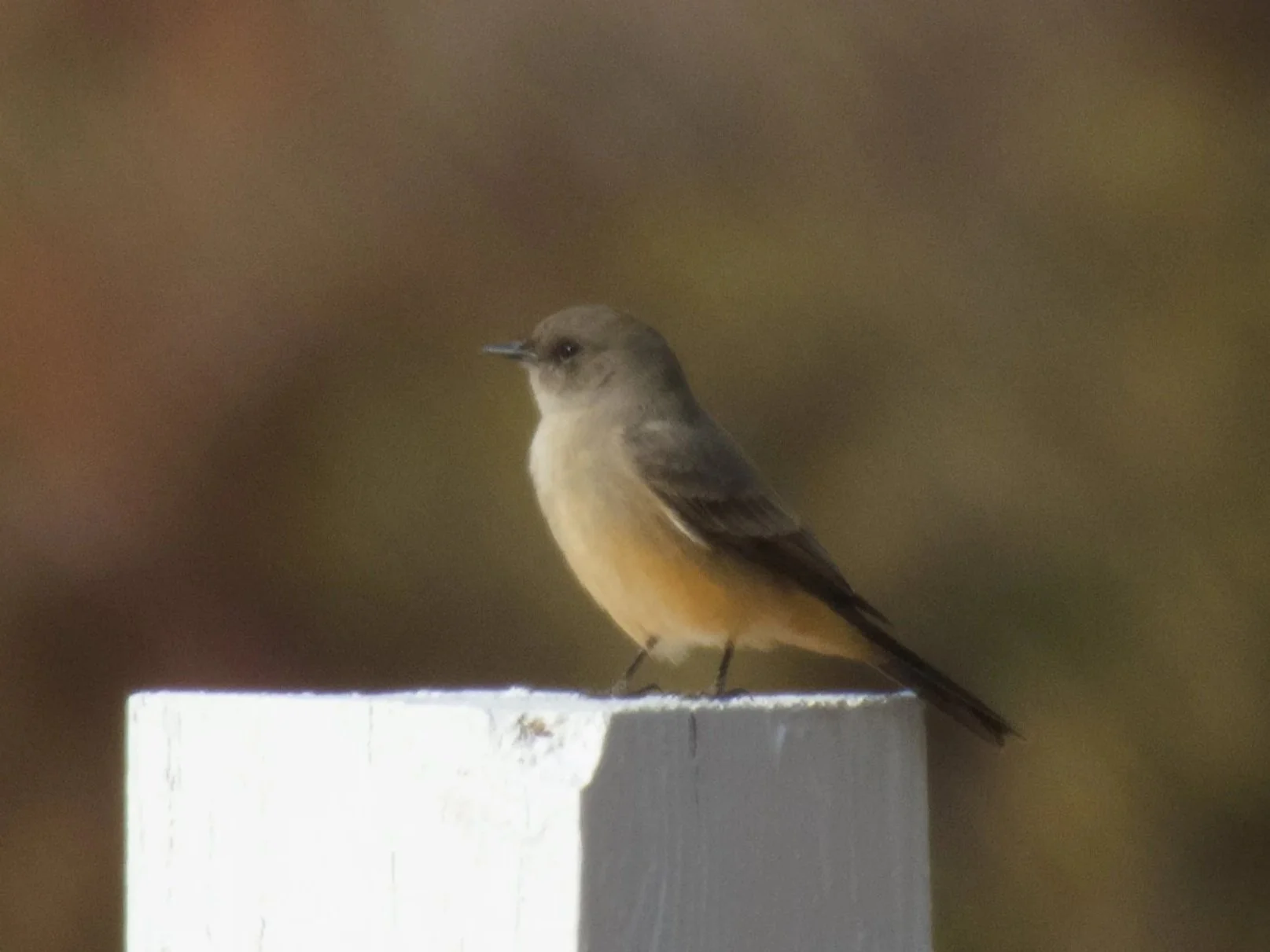
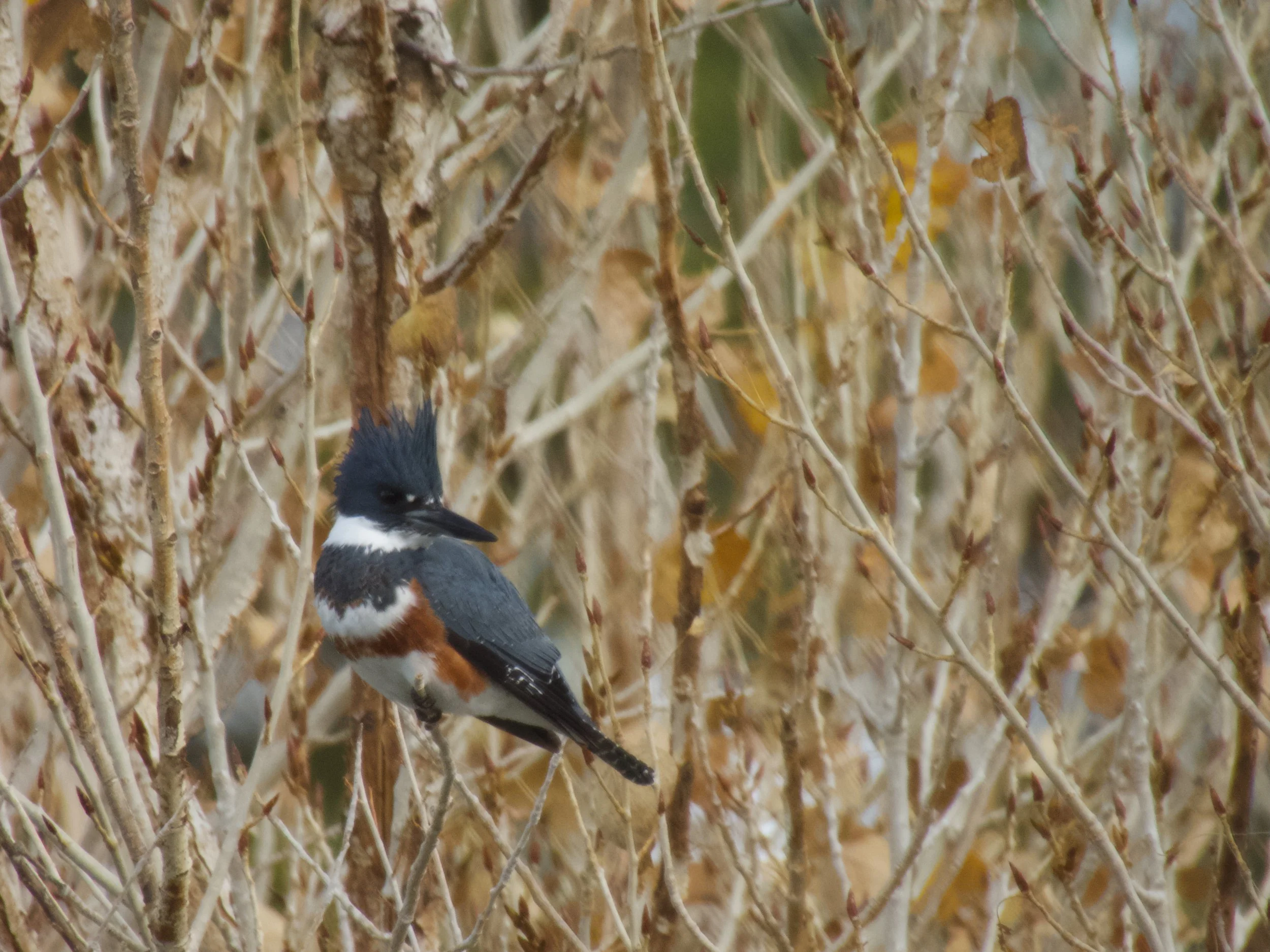
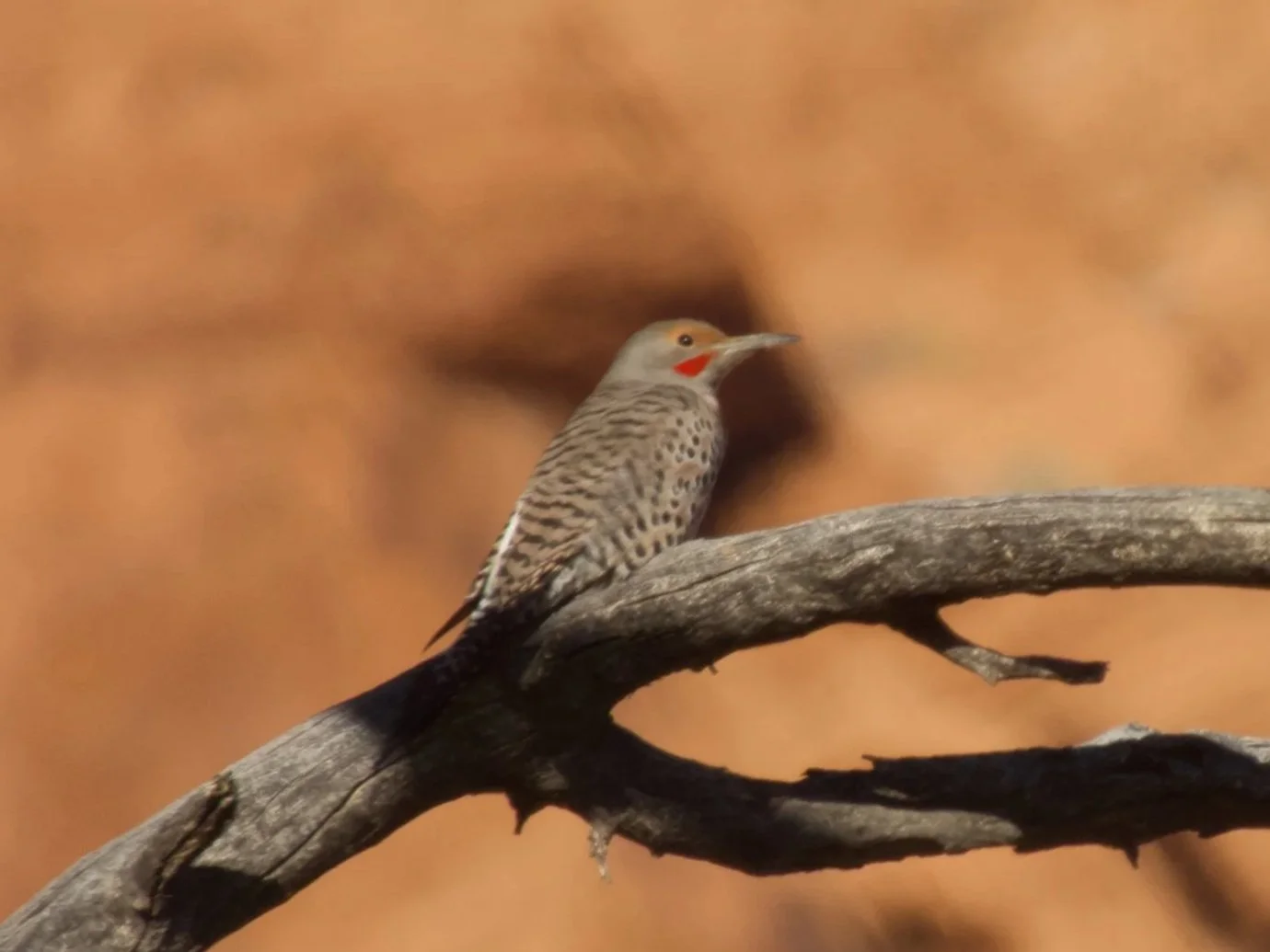


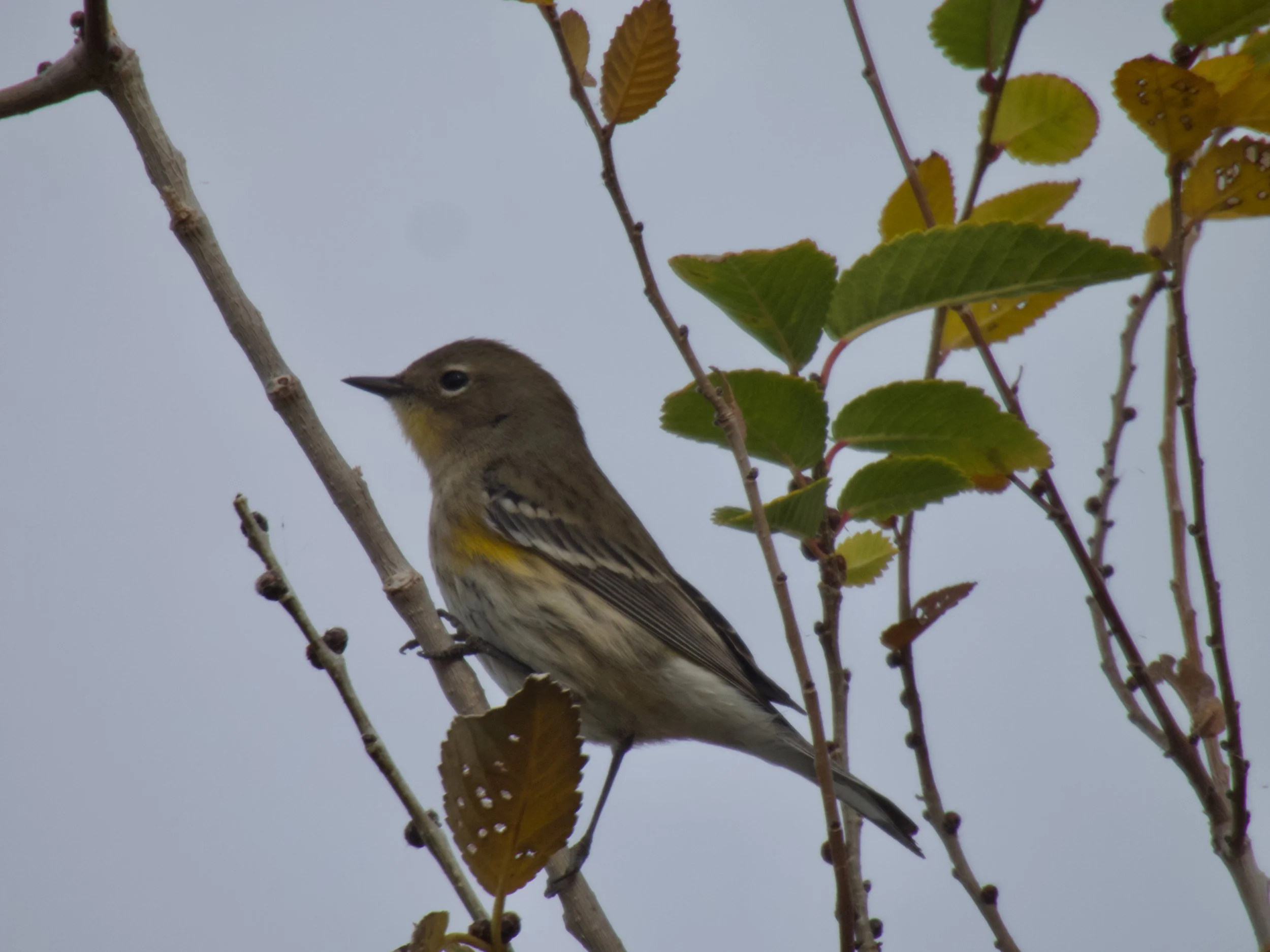
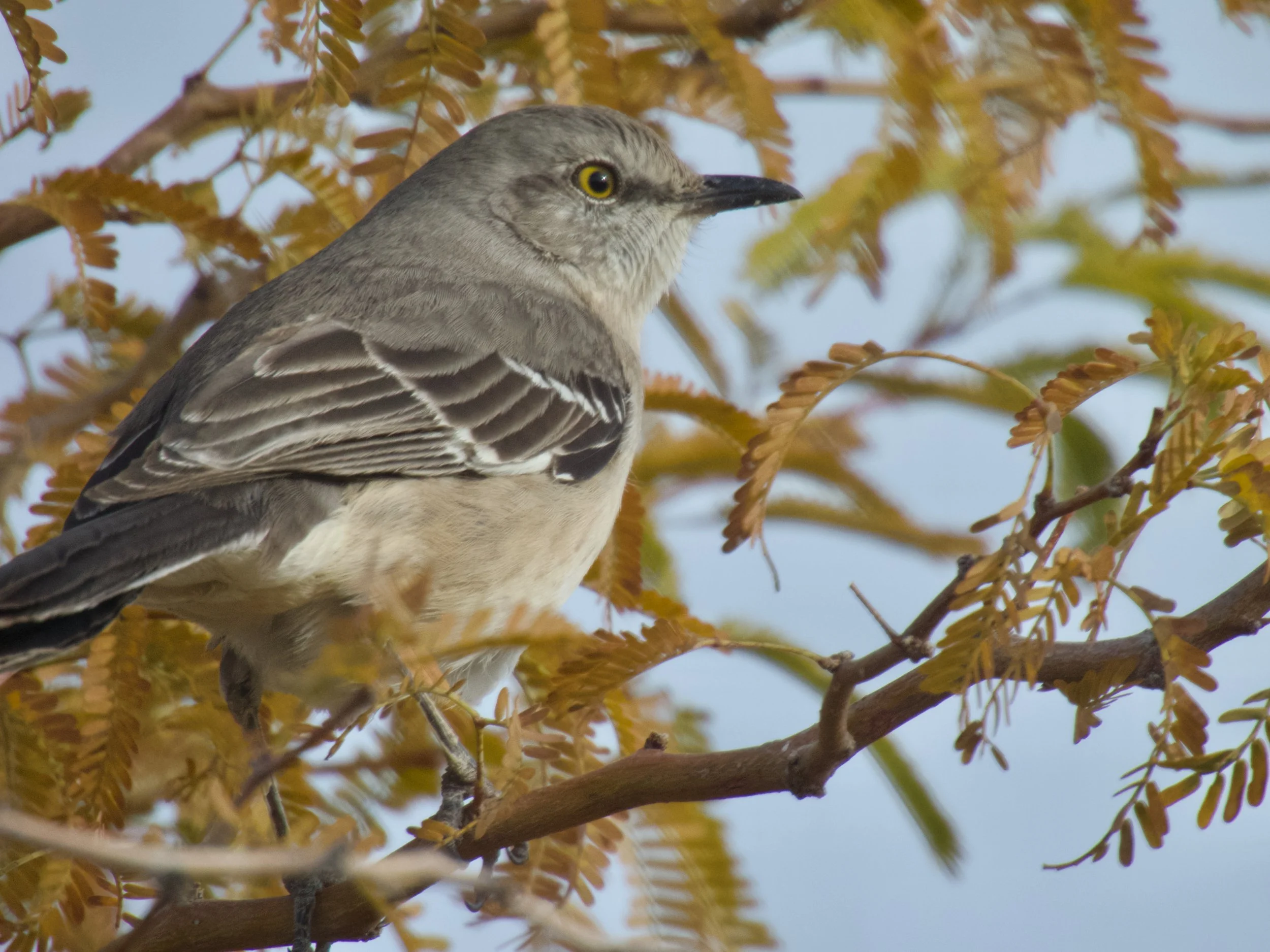

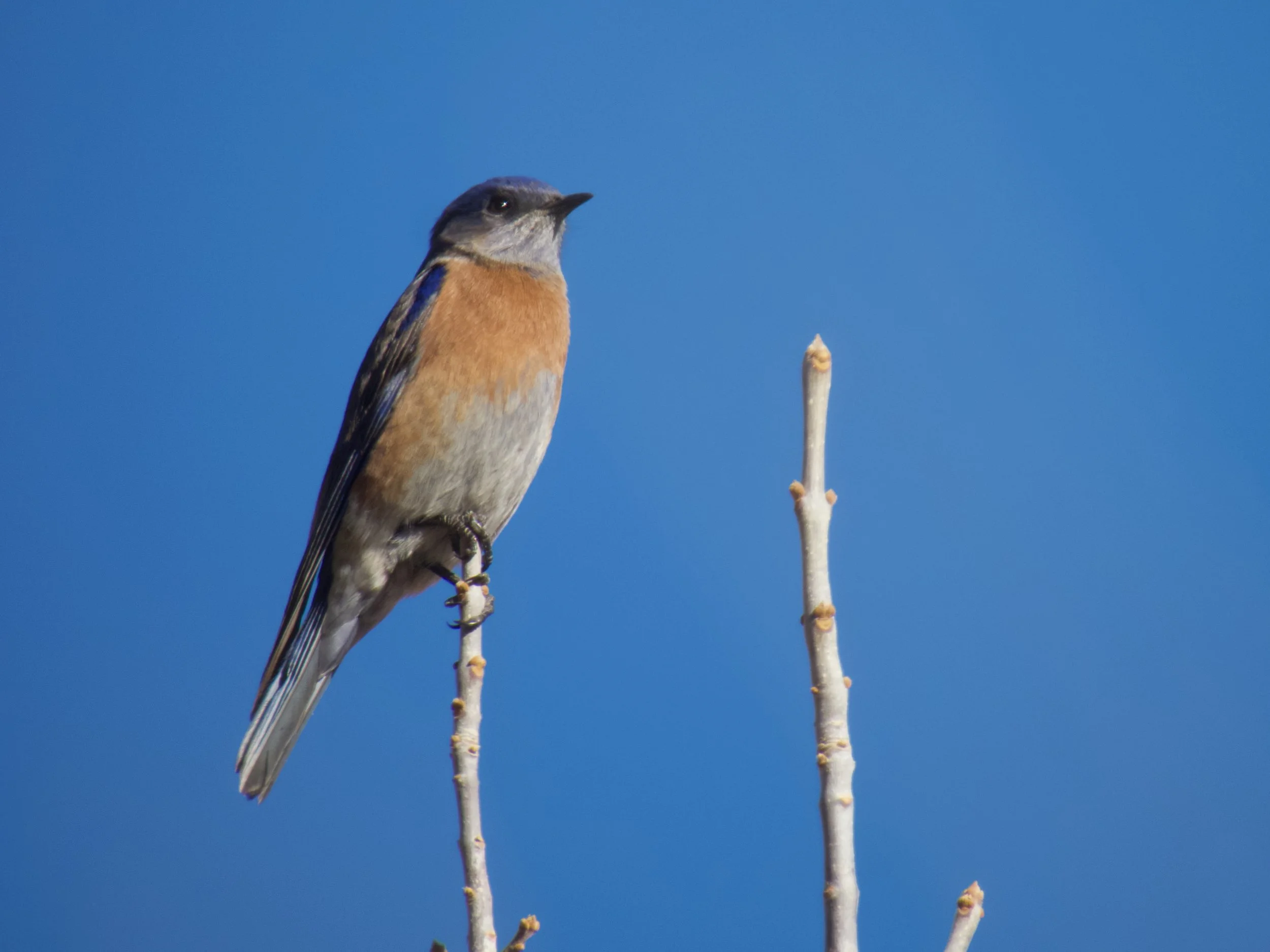


A look at the bird species photographed by Kent Wagner during the December 2025 Avian Workshop, from raptors and sparrows to desert and riparian species observed in the field.
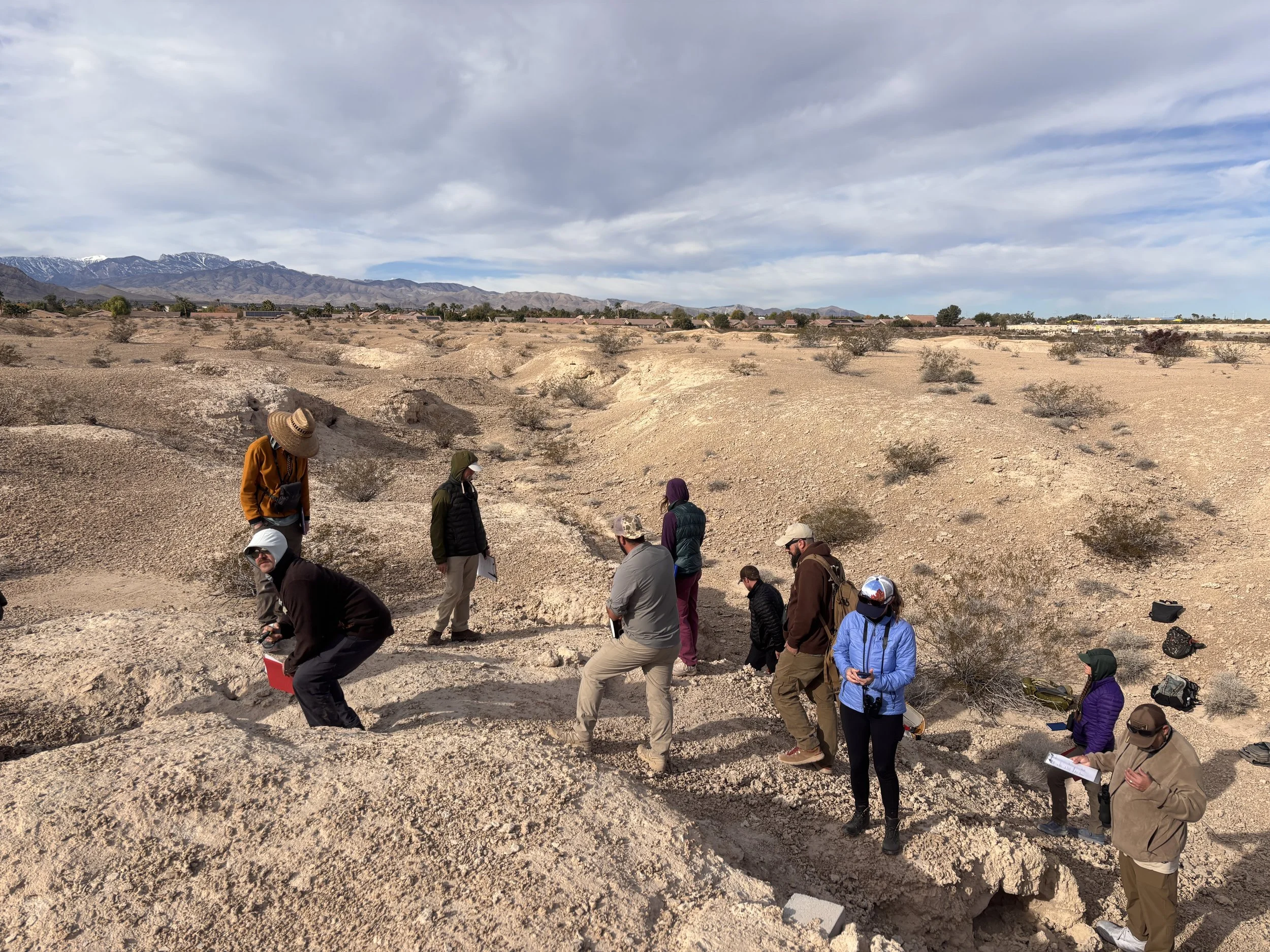
Three days of hands-on avian monitoring and identification
The December workshop was hosted from December 13 to 15, 2025. It was based in Las Vegas and included field time at Henderson Bird Viewing Preserve, Floyd Lamb Park, Rainbow Owl Preserve, and surrounding Mojave Desert field sites.
The workshop gave participants a practical introduction to avian field identification, monitoring techniques, habitat observation, and compliance considerations. Participants spent time outside using binoculars, watching bird behavior, practicing field observation, taking notes, and learning how avian observations connect to real biological monitoring work.
Caitlin spoke about compliance considerations and how biological monitors support projects in the field. Alex led participants through the bird identification and observation process, helping them slow down, look carefully, and start building stronger field habits.
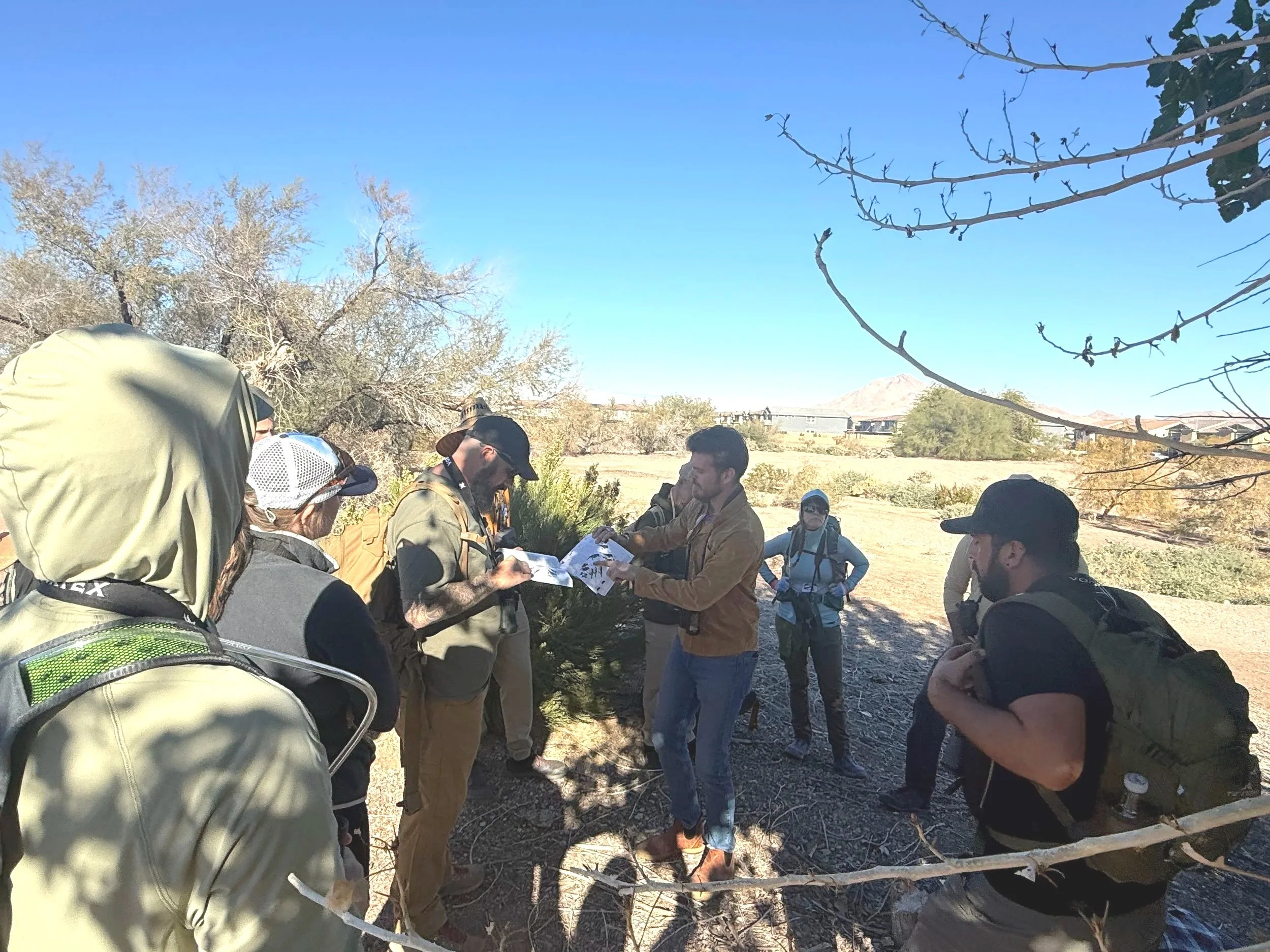
Why the December workshop mattered
The first workshop was more than a single training event. It became proof that Desert Shield’s training model could meet a real need.
While some Veterans were interested, there were a lot more biologists interested. Field professionals wanted more opportunities to improve. For Desert Shield, that was the turning point. The December workshop showed that the company could support workforce development, environmental compliance, and better field capability through hands-on biological training.
Why the training in avian field monitoring matters
Avian monitoring plays an important role in environmental compliance across the Mojave Desert and the broader Desert Southwest.
Projects involving renewable energy, transmission, infrastructure, utilities, land development, and other field-based work often need qualified biological monitors and avian specialists who can identify birds, recognize nesting behavior, document habitat use, and communicate field observations clearly.
Training programs like this help build the practical skills needed for nesting bird monitors, compliance biologists, avian specialists, and field staff supporting active projects.
They also help create new career pathways for people who want meaningful work to protect natural resources.
