

Upcoming Workshops & Trainings
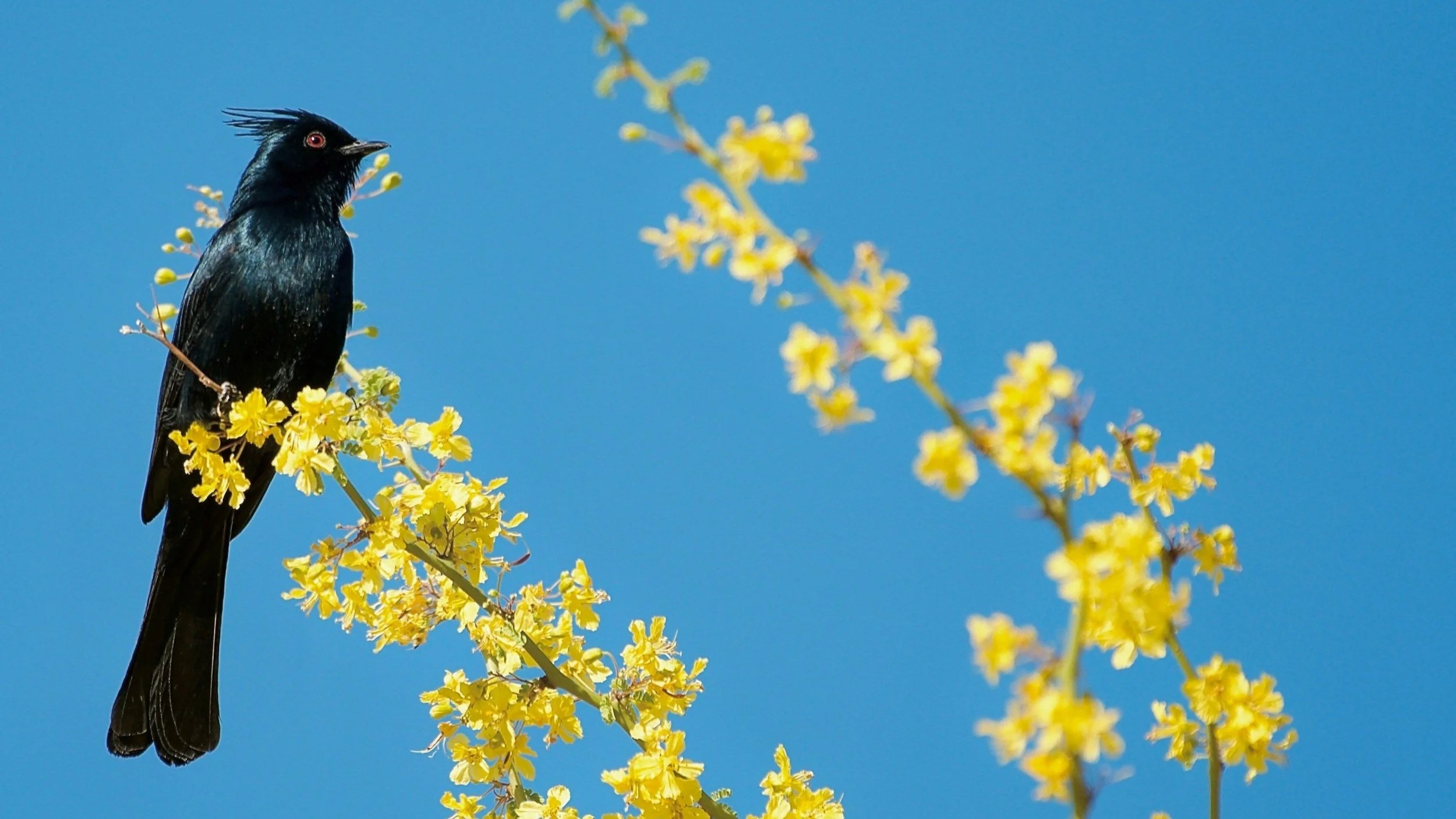
Introduction to Avian Field Identification & Monitoring Techniques
This immersive, three-day applied training is designed for biological monitors, field biologists, and environmental consultants who wish to strengthen their avian identification and monitoring skills. Participants will gain practical field experience observing, identifying, and documenting birds across the Mojave Desert, with a focus on species commonly encountered during compliance monitoring and pre-construction surveys.
Introduction to Avian Field Identification & Monitoring Techniques (Copy)
This immersive, three-day applied training is designed for biological monitors, field biologists, and environmental consultants who wish to strengthen their avian identification and monitoring skills. Participants will gain practical field experience observing, identifying, and documenting birds across the Mojave Desert, with a focus on species commonly encountered during compliance monitoring and pre-construction surveys.

(NEW) Avian Field ID & Monitoring Techniques Workshop - Montane Focus
NEW CONTENT!
This avian training is similar to past workshops but with completely new content. Perfect for return students or new attendees!
This immersive, two-day applied training (+ 2 online classes) is designed for biological monitors, field biologists, students, and aspiring professionals seeking to strengthen their avian identification and field observation skills.
Participants will gain practical field experience identifying birds by sight, sound, and behavior within the montane habitats of the Spring Mountains. Emphasis is placed on real-time field identification, bird vocalization analysis, and nesting behavior, with direct application to avian monitoring and fieldwork.
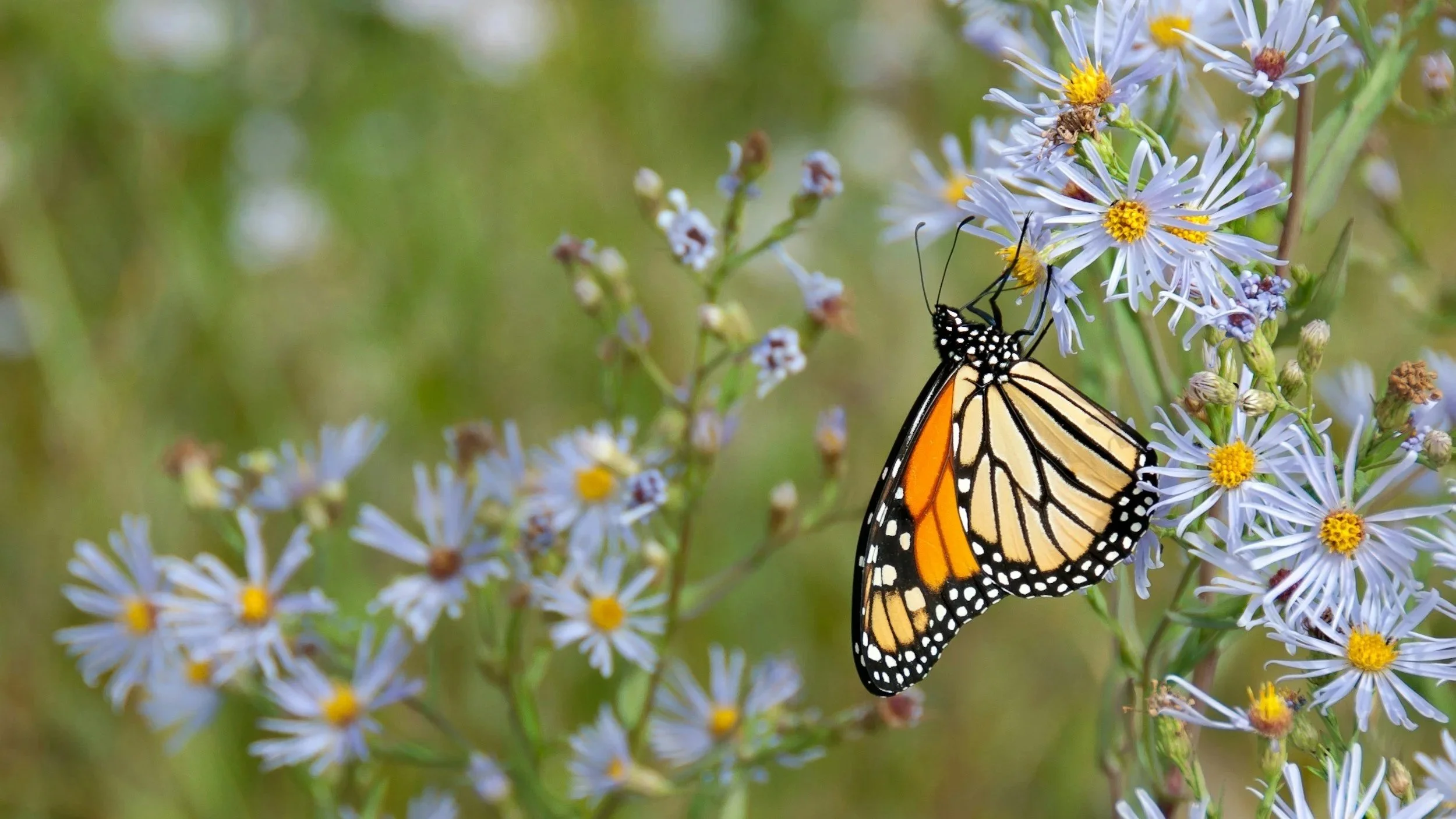
Pollinator Surveying and Habitat Identification Workshop - Las Vegas, NV
Details TBD. Sign up for updates here.
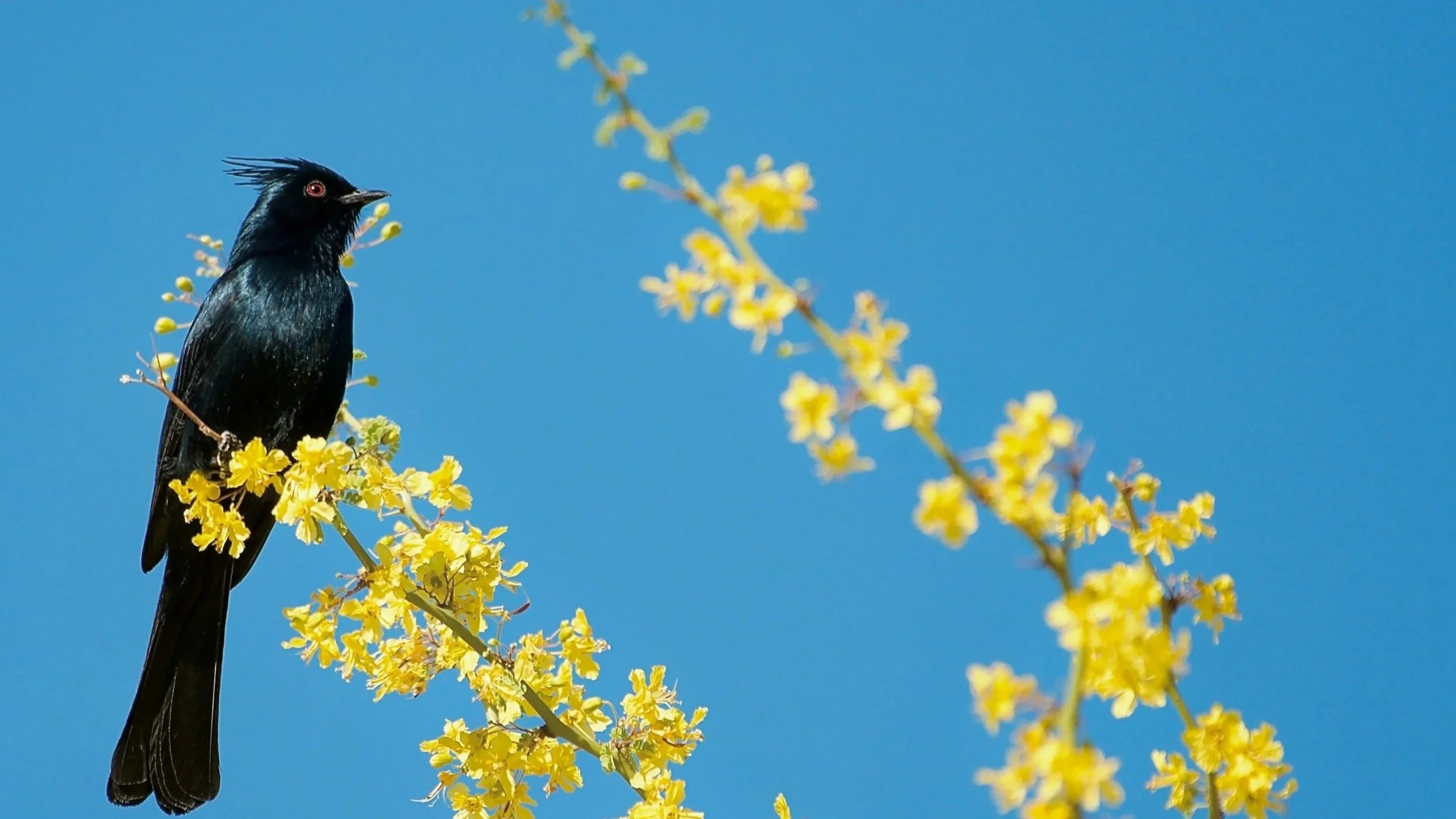
Introduction to Avian Field Identification & Monitoring Techniques
This immersive, three-day applied training is designed for biological monitors, field biologists, and environmental consultants who wish to strengthen their avian identification and monitoring skills. Participants will gain practical field experience observing, identifying, and documenting birds across the Mojave Desert, with a focus on species commonly encountered during compliance monitoring and pre-construction surveys.
(Waitlisted) Introduction to Avian Field Identification & Monitoring Techniques
This immersive, three-day applied training is designed for biological monitors, field biologists, and environmental consultants who wish to strengthen their avian identification and monitoring skills. Participants will gain practical field experience observing, identifying, and documenting birds across the Mojave Desert, with a focus on species commonly encountered during compliance monitoring and pre-construction surveys.
Want to be notified about future Workshops?
Upcoming Work?
Interested in co-hosting a workshop?
We’re always open to partnering with organizations and professionals interested in co-hosting workshops or developing tailored training opportunities. Reach out if you’d like to explore a collaboration.
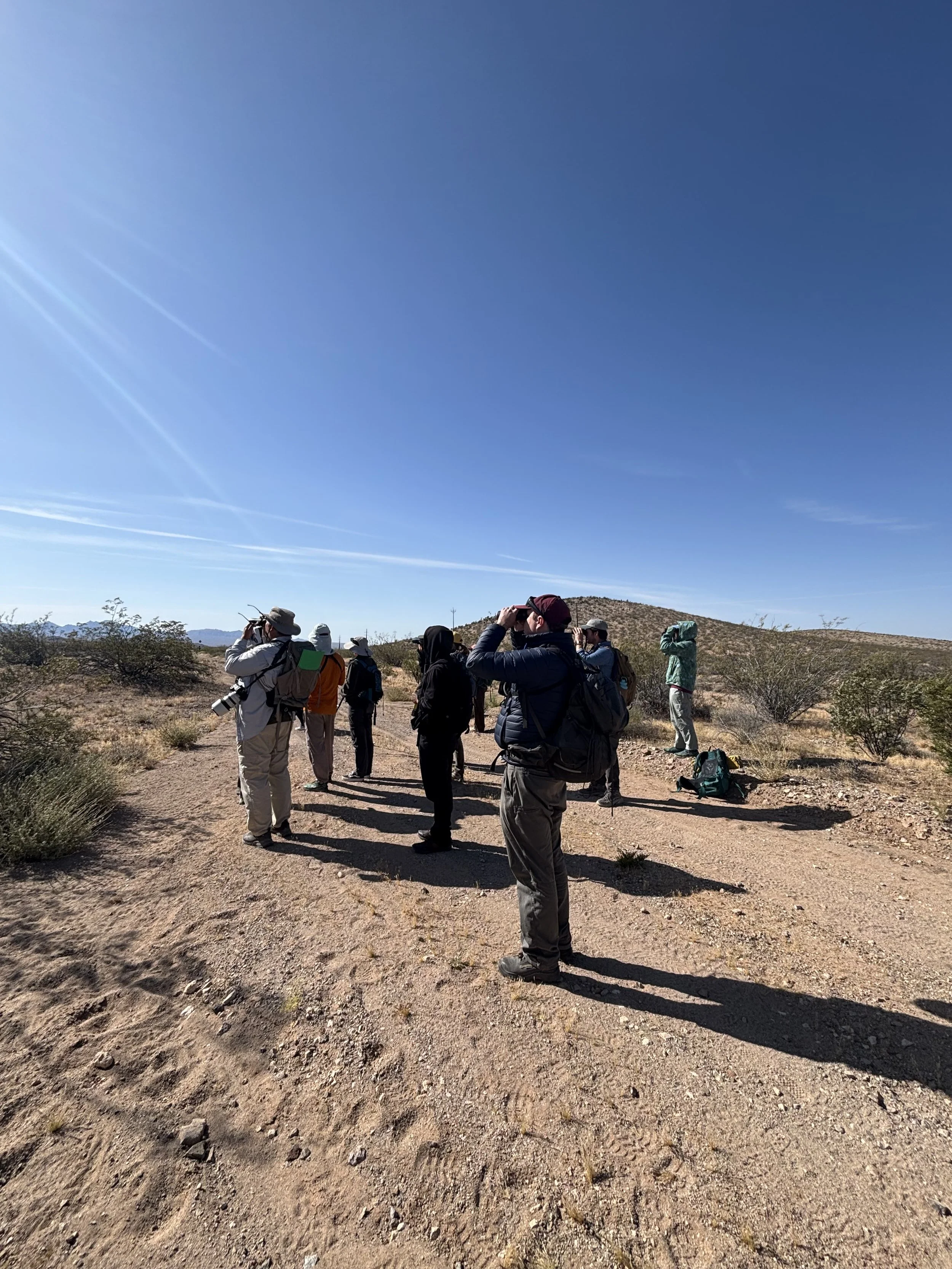
PHOTOS FROM PREVIOUS WORKSHOPS
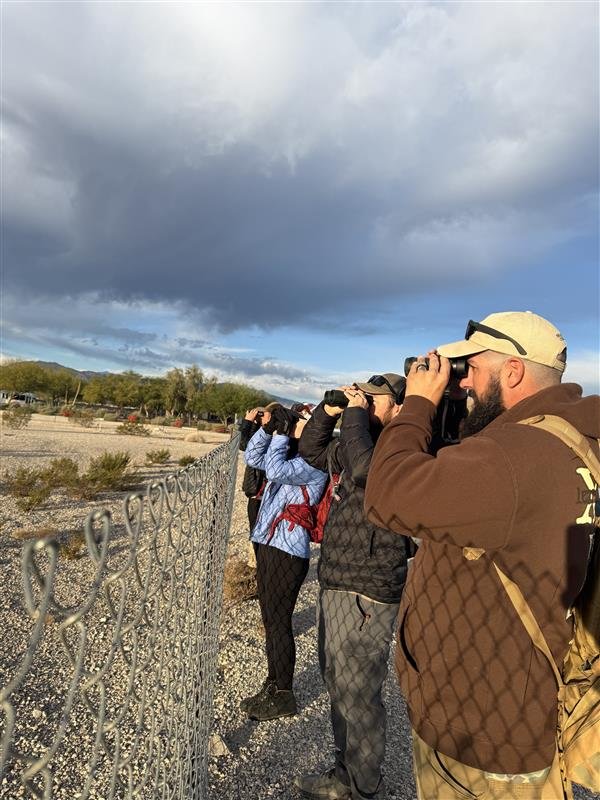
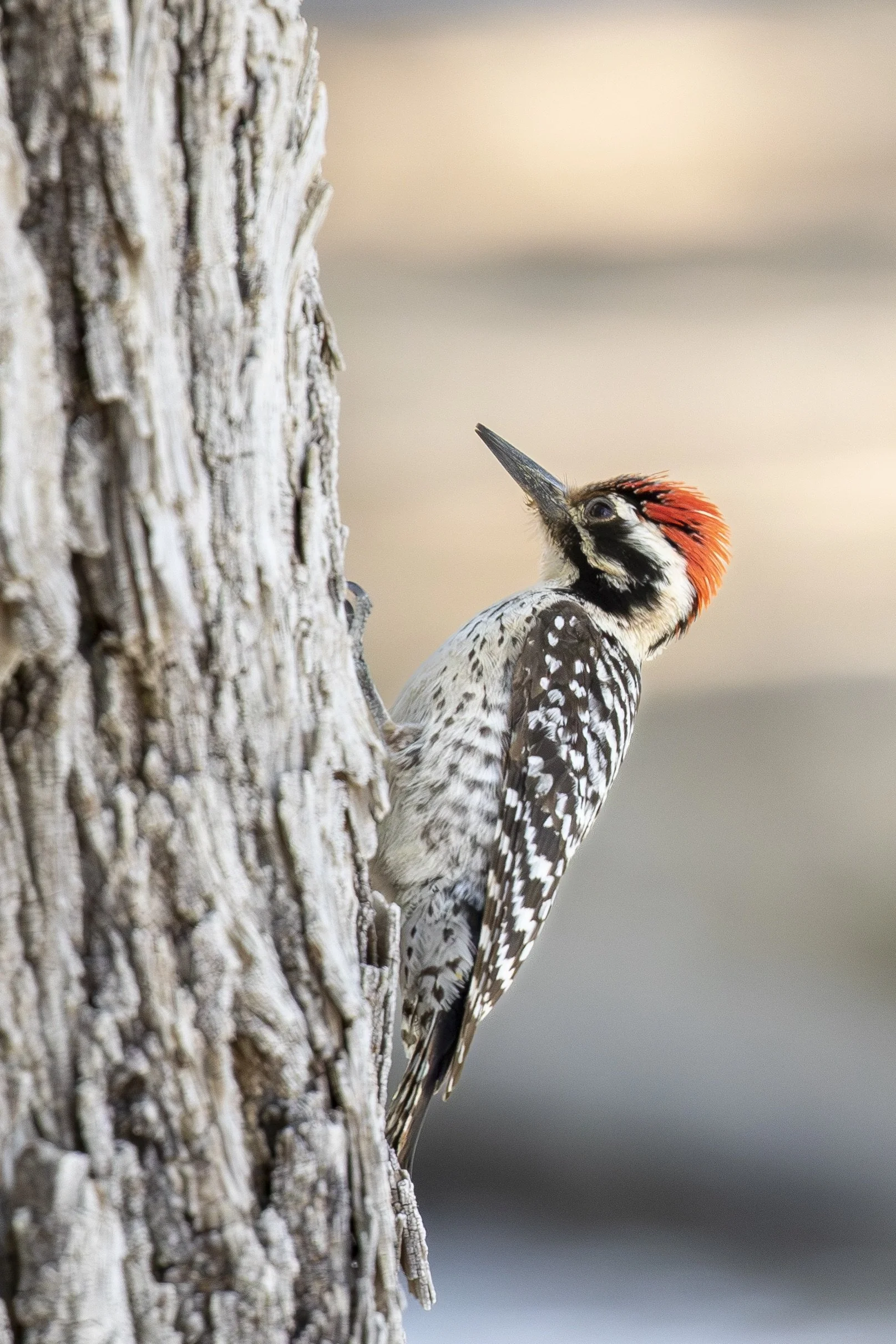
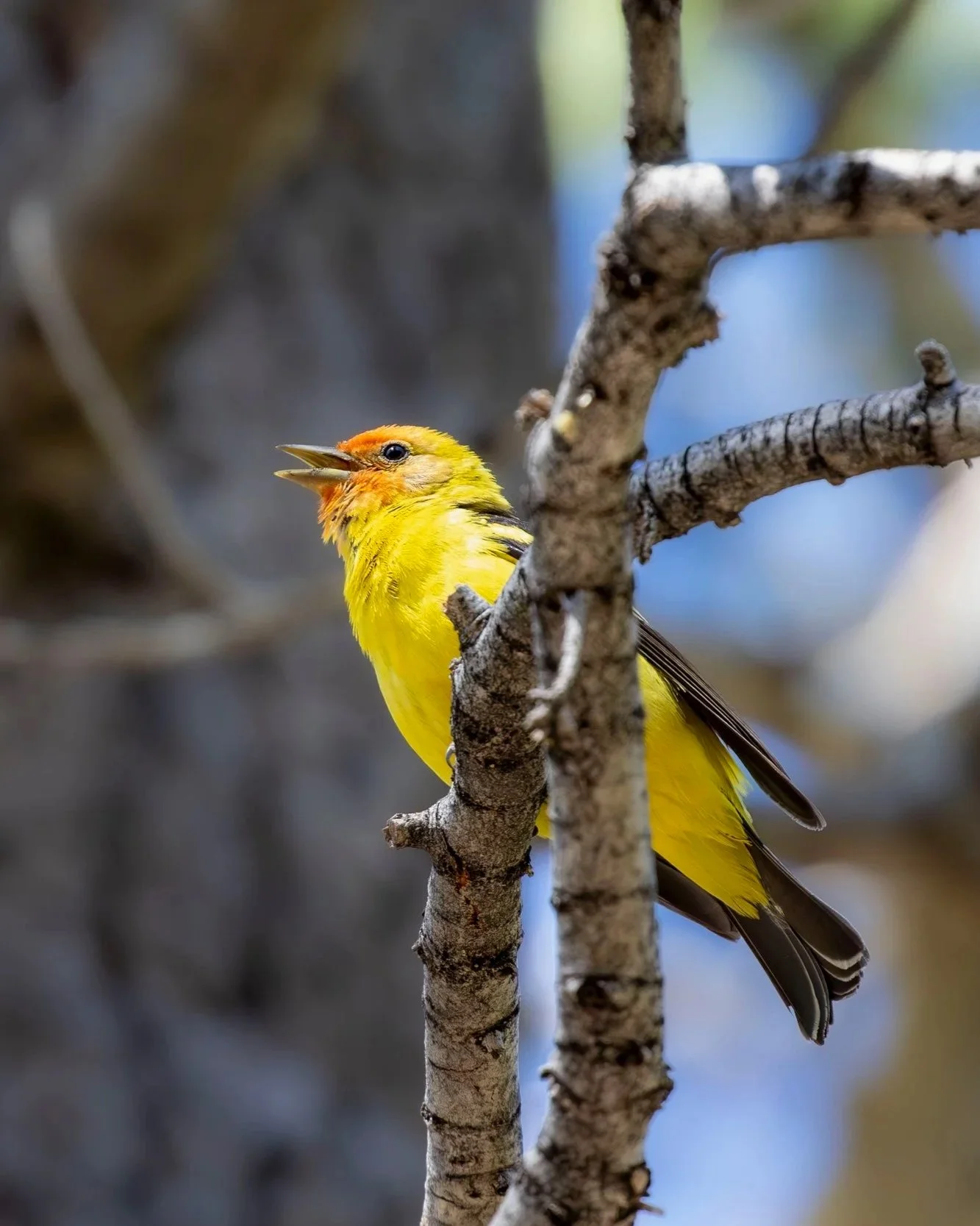
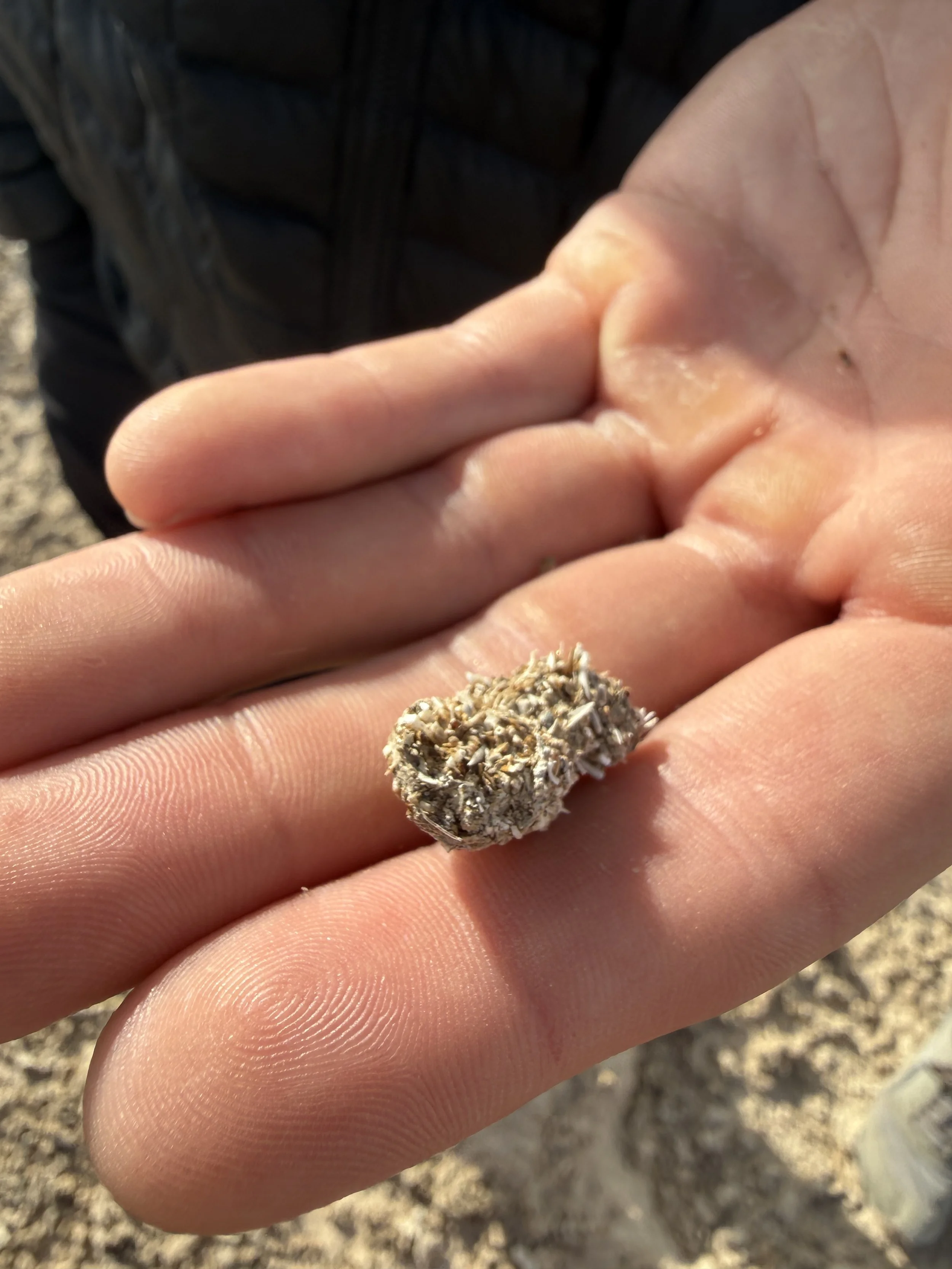
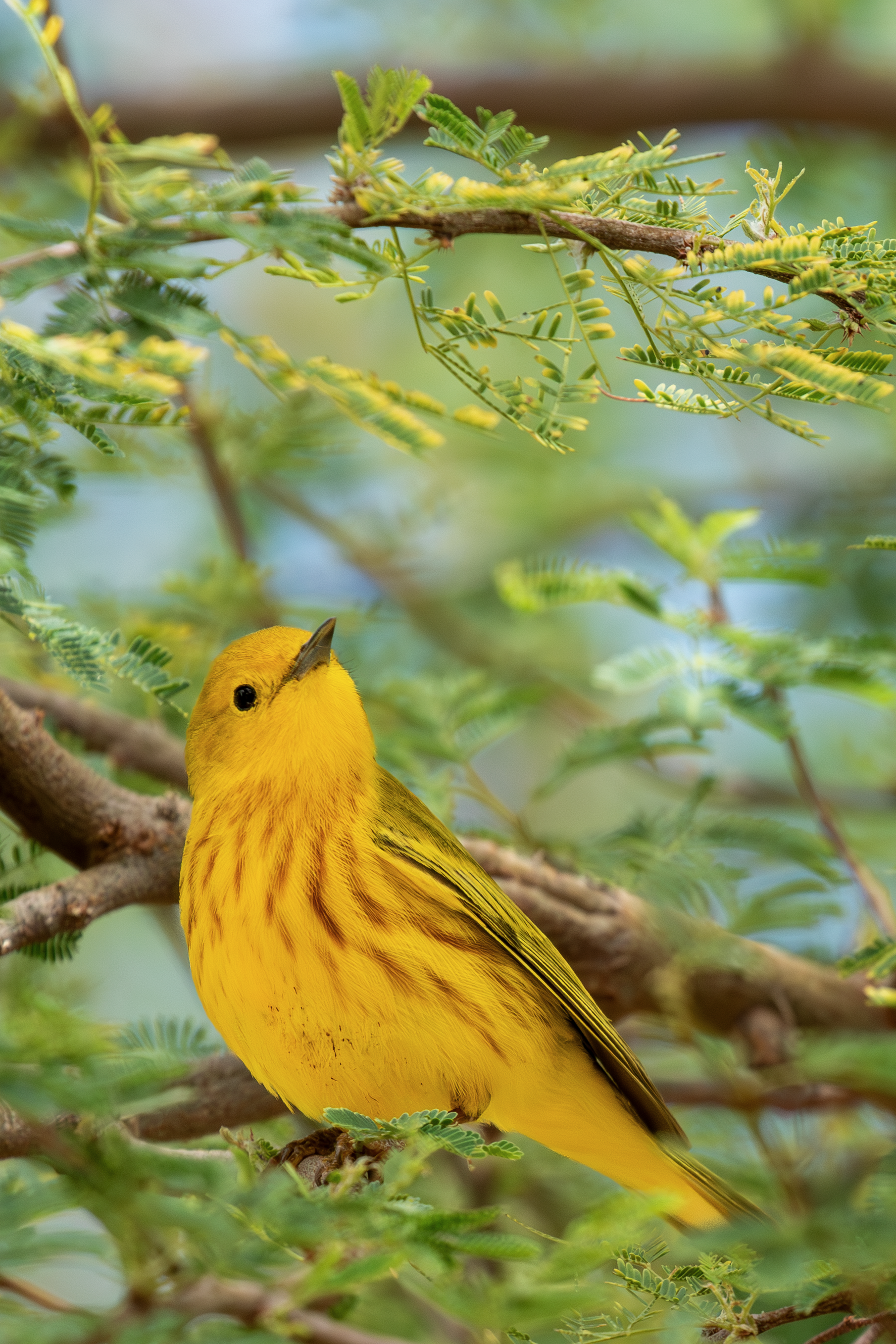
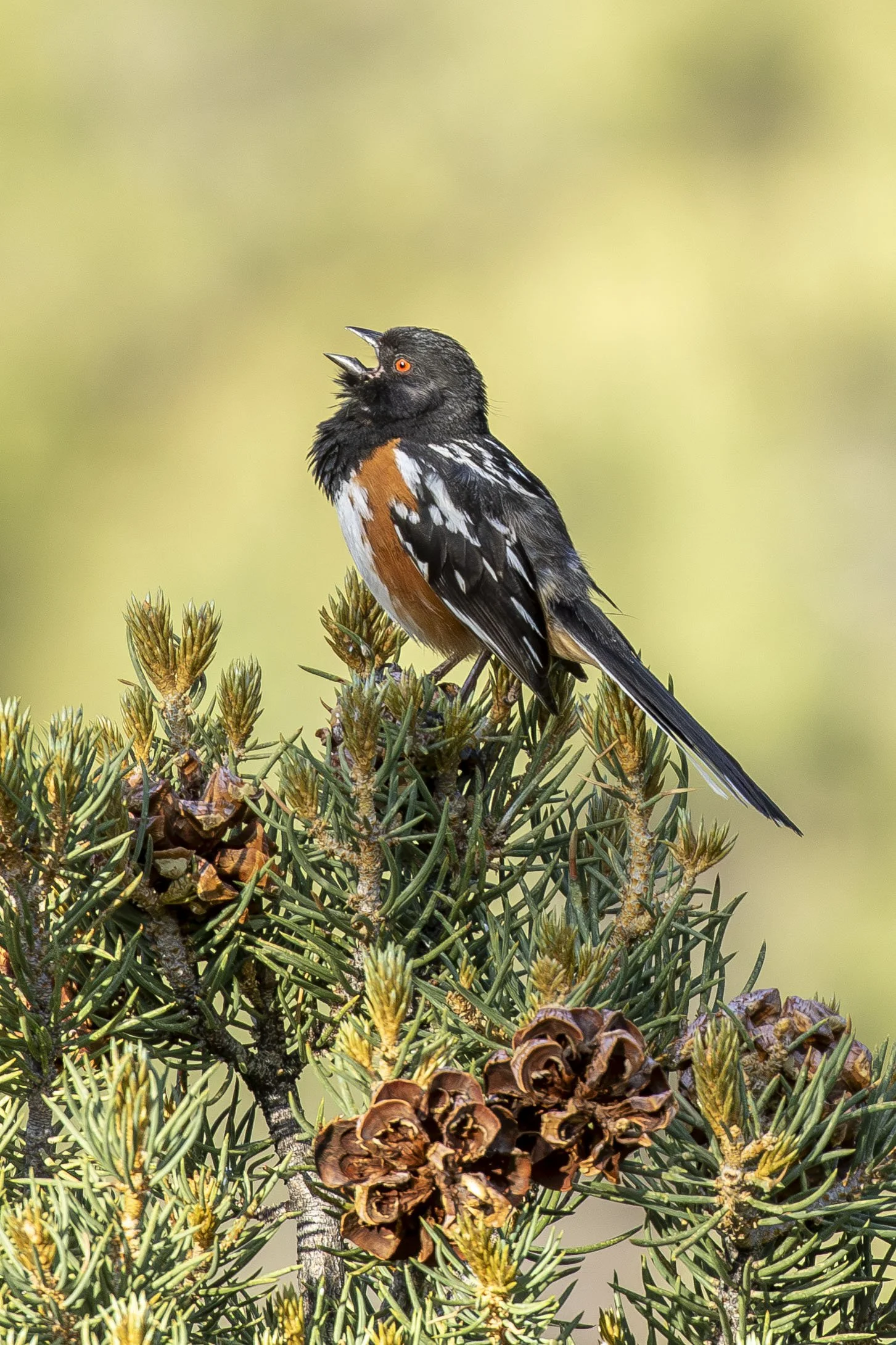

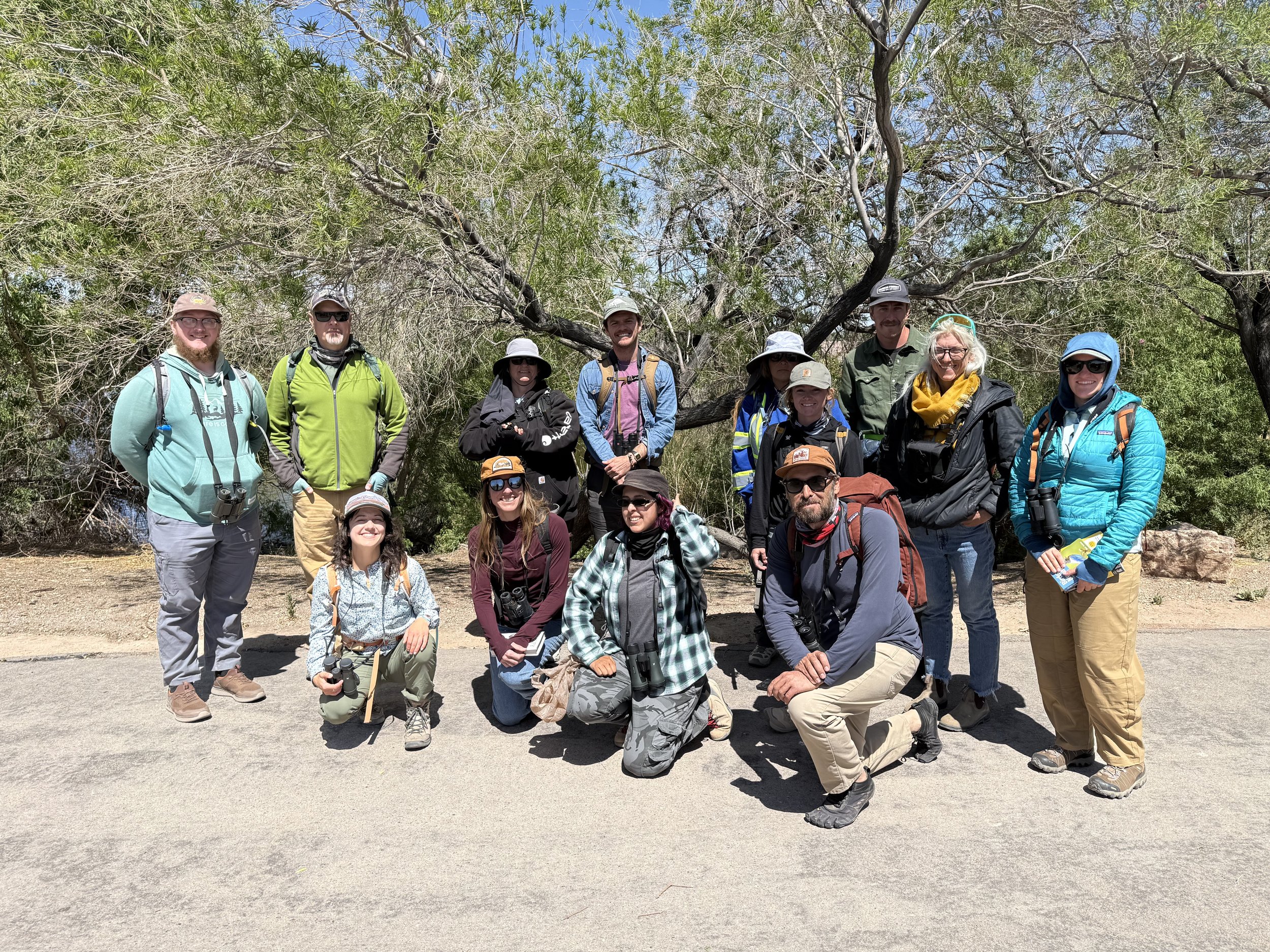
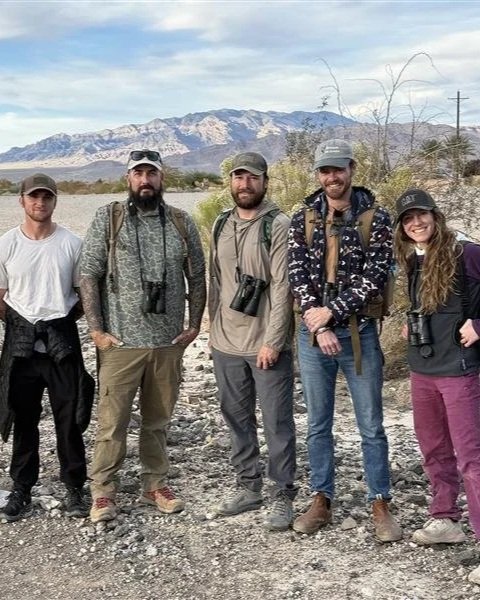
CHECK OUR LATEST INSIGHTS
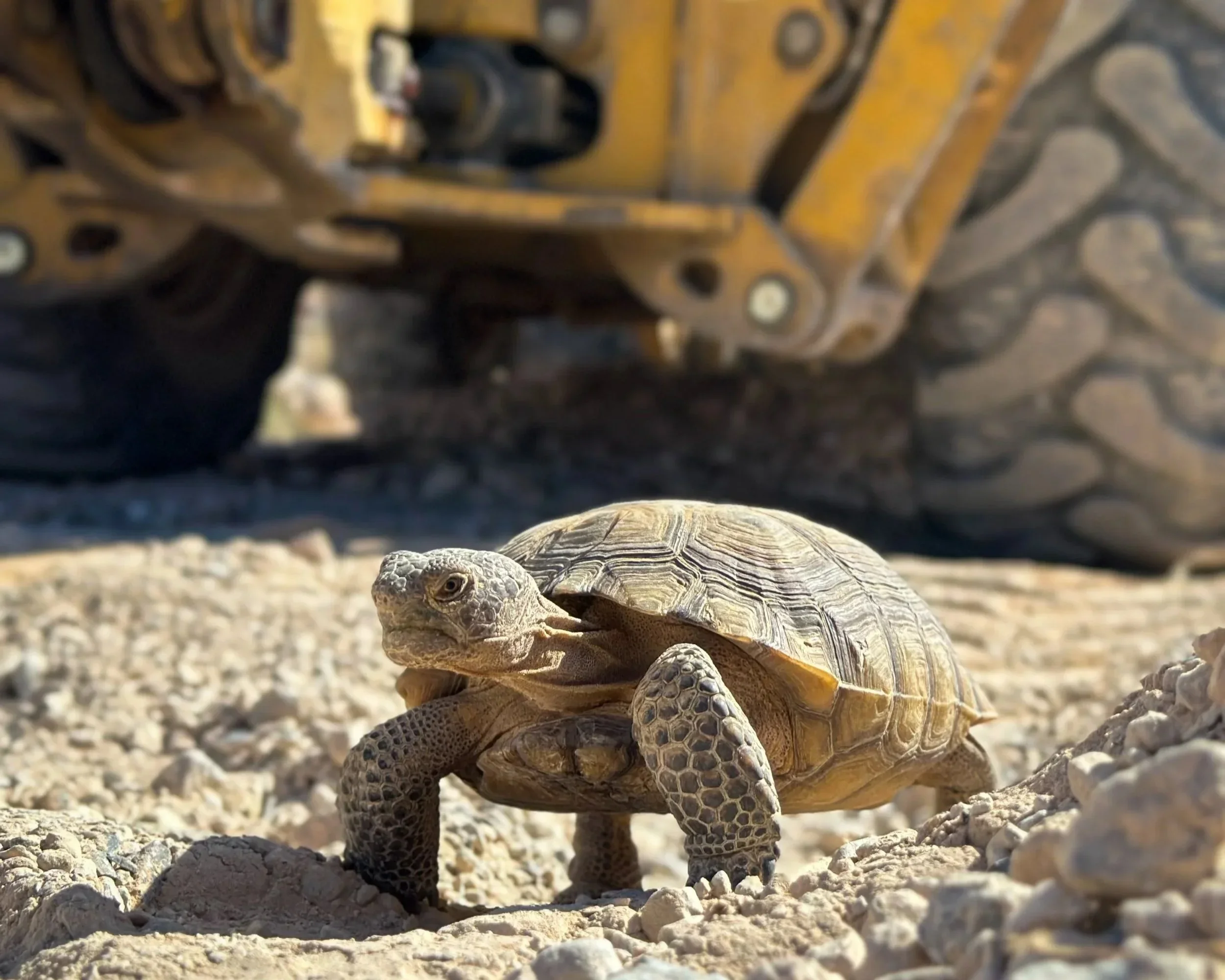
Desert Tortoise Clearance Surveys: Clearing the Site Before Ground Disturbance
A clearance survey is the step before ground disturbance (grading and the like) to remove the federally protected, threatened desert tortoise. Trained biologists comb through 100 percent of the project footprint multiple times and transmitter or translocate every animal they find out of the project footprint. The goal of a clearance survey is to remove every tortoise possible ahead of groundbreaking. (USFWS 2009, Desert Tortoise Field Manual)
This is a different job from the presence/absence survey in Part 1. A presence/absence survey answers whether tortoises use the site and, on larger projects, how many. It is used for project planning and NEPA compliance. A clearance survey acts on that information by physically clearing the footprint immediately ahead of construction. One does not replace the other. You still need the presence/absence data that agencies use for consultation and permitting, and you still need clearance before dirt work starts. The two are often done a couple of years apart, depending on how fast your project moves through the permitting pipeline. …. (CONT.)
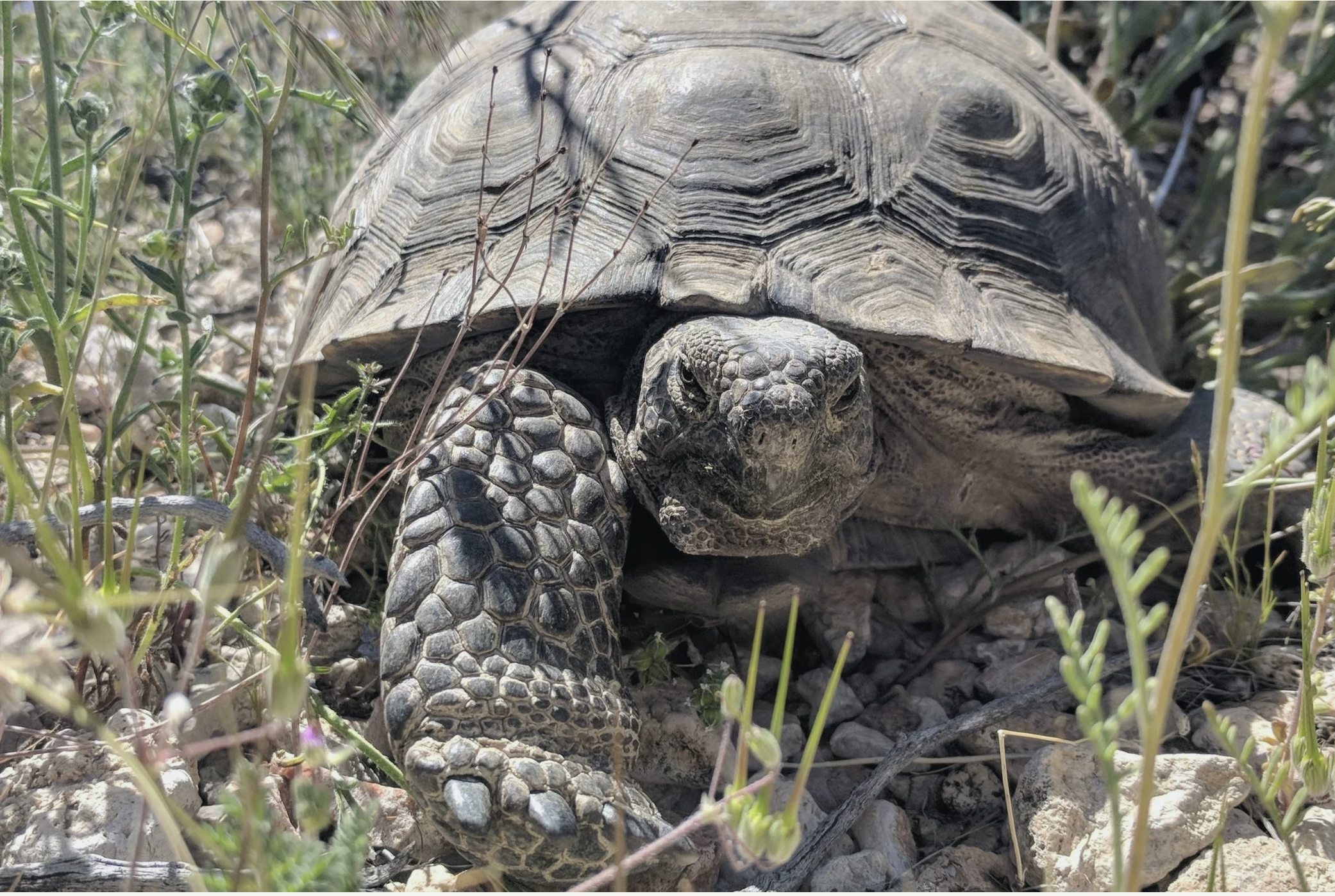
Desert Tortoise Presence / Absence Surveys: What Project Teams and Biologists Need to Know
If your project sits within the range of the Mojave desert tortoise (Gopherus agassizii), a pre-project survey is very likely part of your path to approval, and it needs to happen before any grading, access work, or other ground disturbance begins. The USFWS defines the Mojave population as the tortoises north and west of the Colorado River in California, Nevada, Utah, and Arizona. Tortoises south and east of the river were reclassified as a separate species, G. morafkai. (USFWS 2019, Pre-project Survey Protocol)
The Mojave desert tortoise was listed as threatened under the federal Endangered Species Act on April 2, 1990, so any action within its range carries ESA obligations. Two quick checks tell you whether tortoise habitat is in play: the USFWS Mojave desert tortoise range map, and IPaC, the official Information Tool for Planning and Consultation(USFWS 2019). … (CONT.)
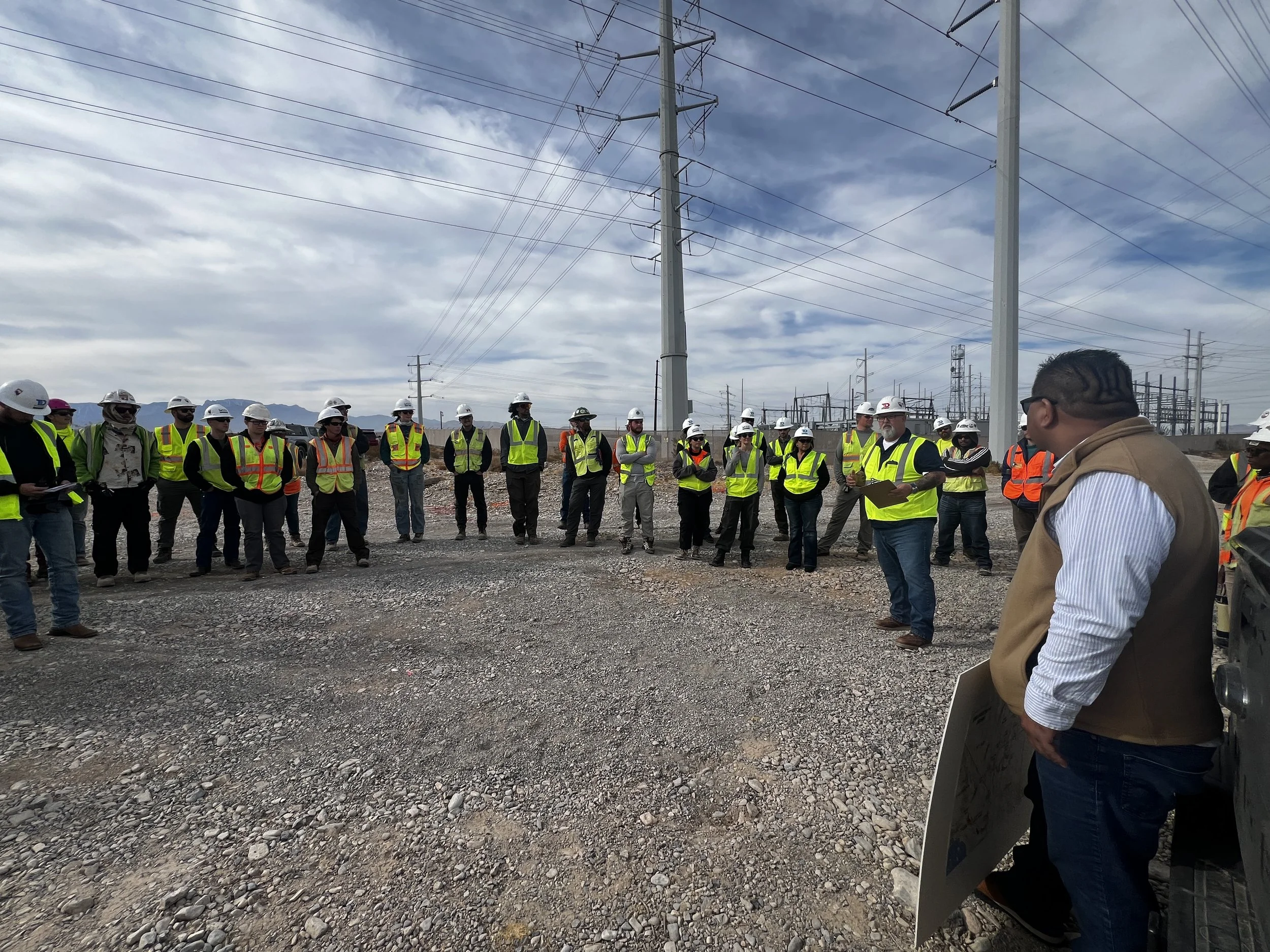
What Makes a Good WEAP Training?
A good Worker Environmental Awareness Program training does more than check a compliance box. It gives every worker clear, memorable instruction they can use when something unexpected happens in the field.
Worker Environmental Awareness Program training, commonly called WEAP training, is often the first environmental requirements crews encounter before entering a project site. At its most basic, a WEAP explains what protected resources may be present and how to interact with those resources, and what workers must do onsite to stay compliant with environmental laws. This can be things like speed limits, wind and dust regulations, what to do when they see specific wildlife or cultural material, and the laws protecting those things. … (CONT)