










“This course makes avian identification incredibly approachable, and Alex is a fantastic field guide and instructor. I now feel equipped to tackle any identification challenges the field may pose.”
Course Description
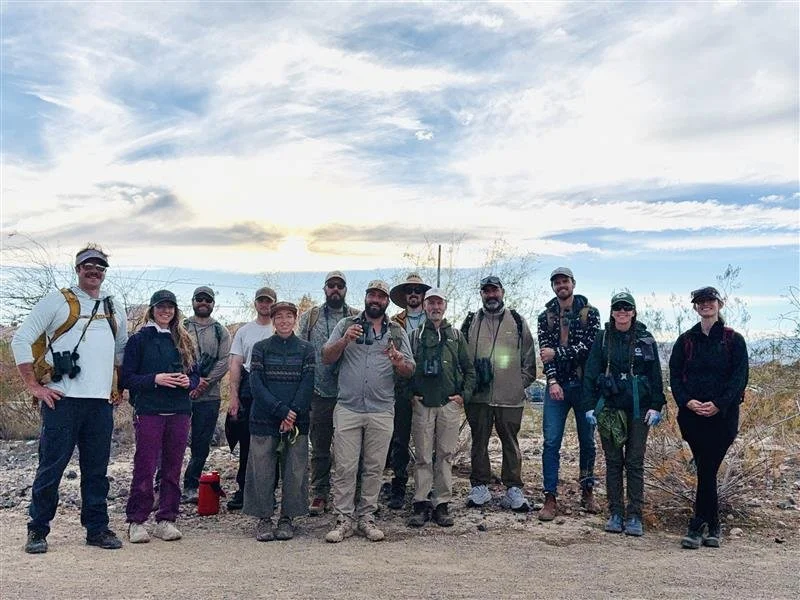
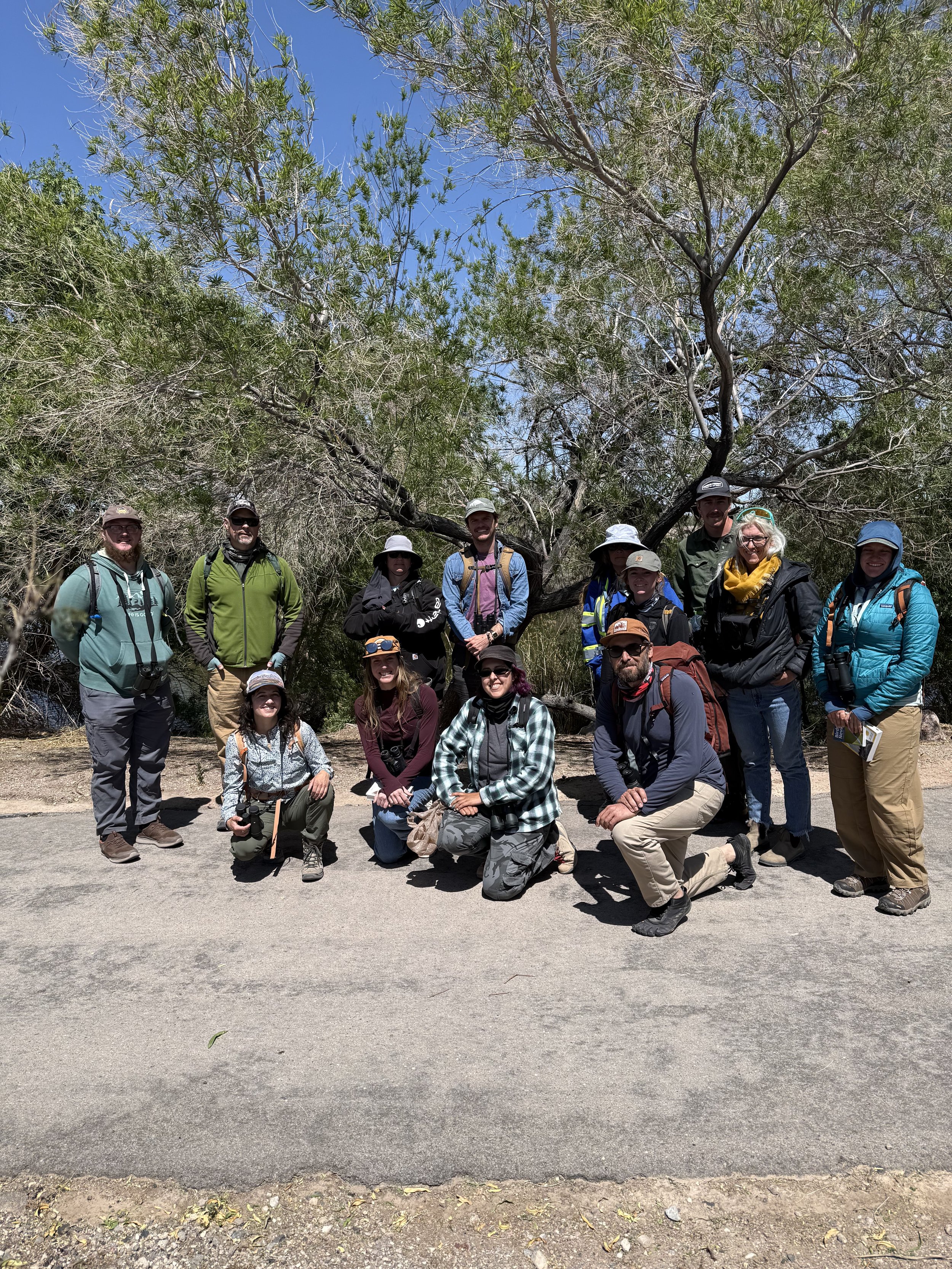
This immersive, two-day applied training is designed for biological monitors, field biologists, students, and aspiring professionals seeking to strengthen their avian identification and field observation skills.
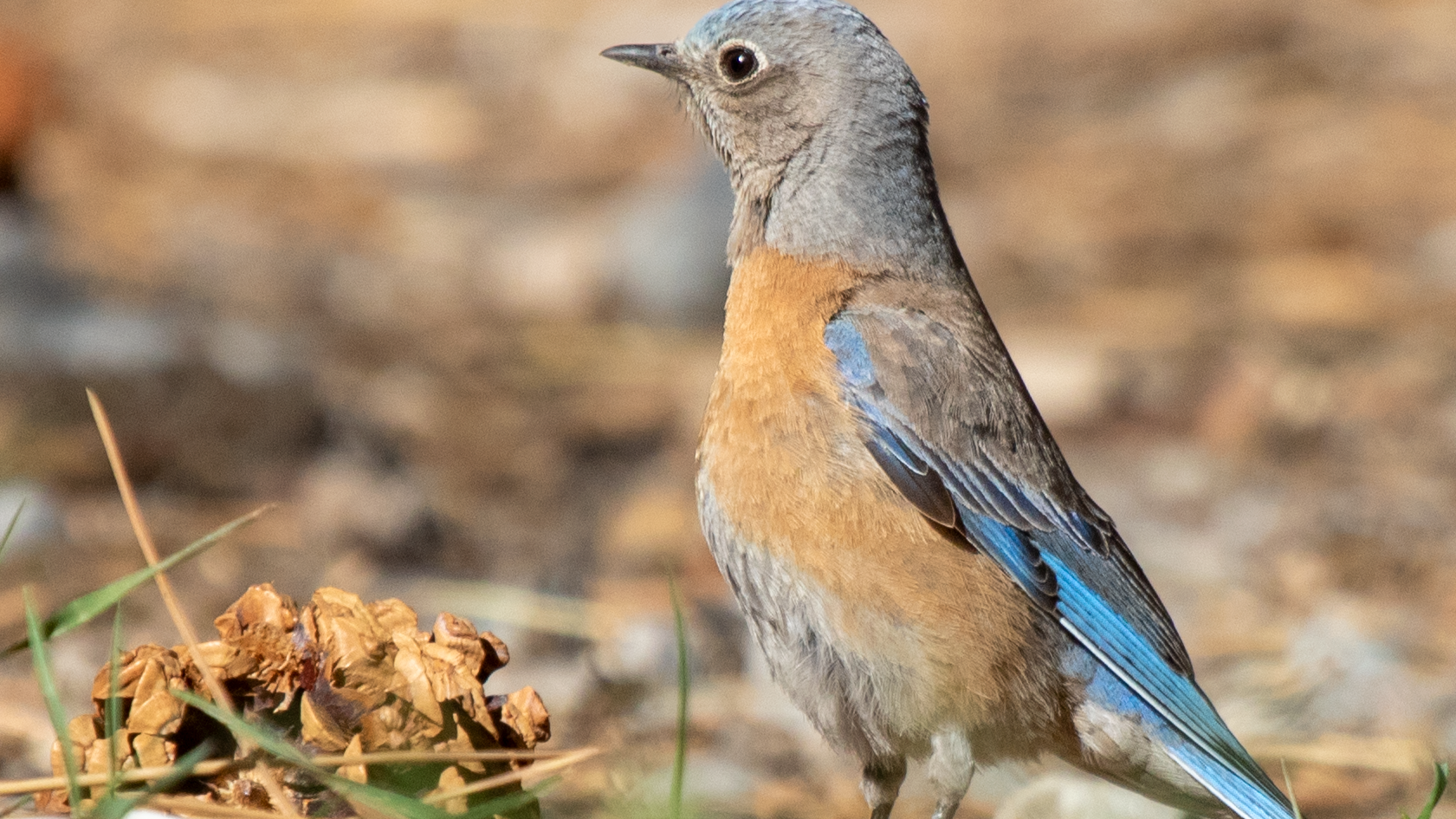
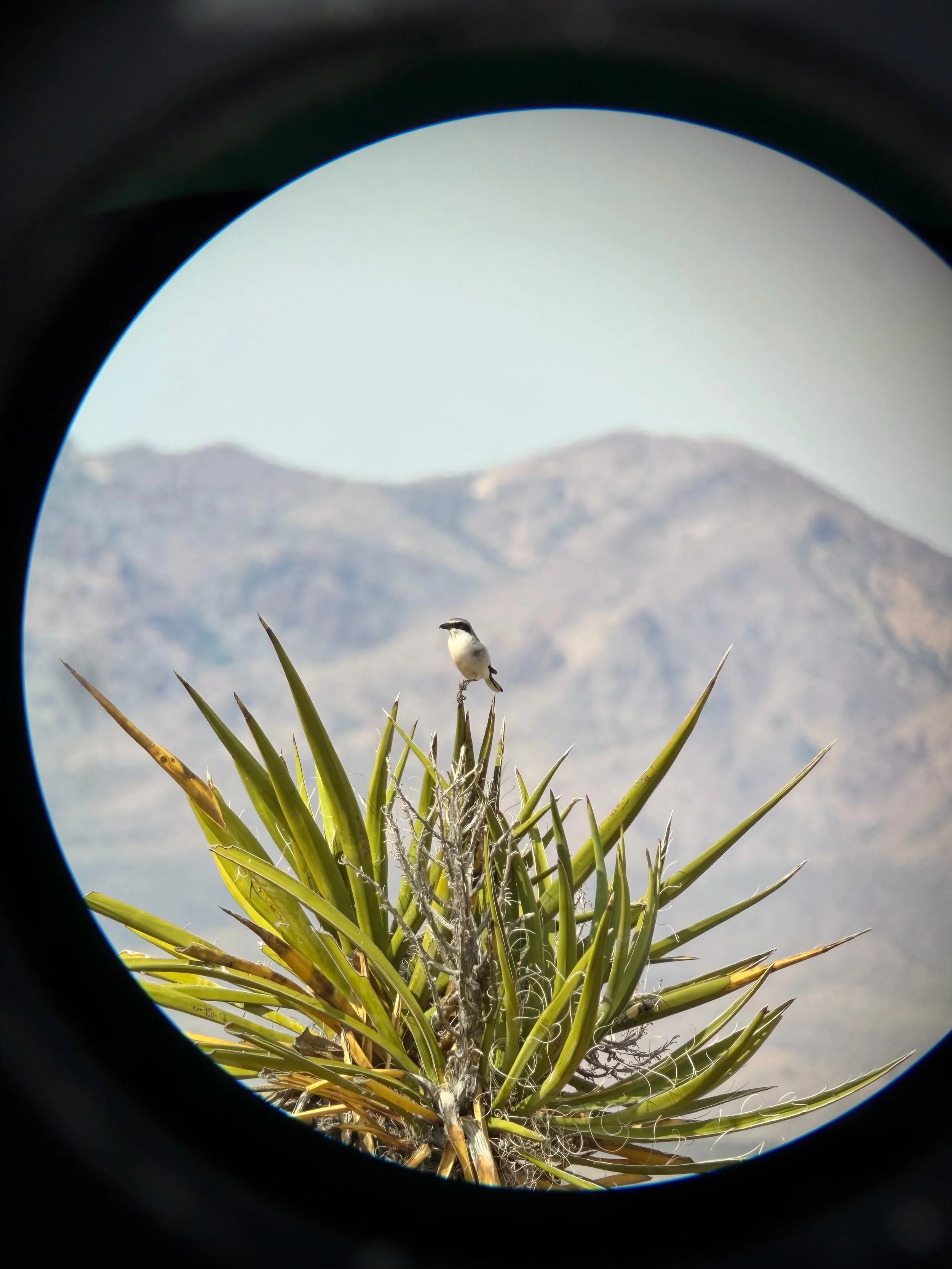
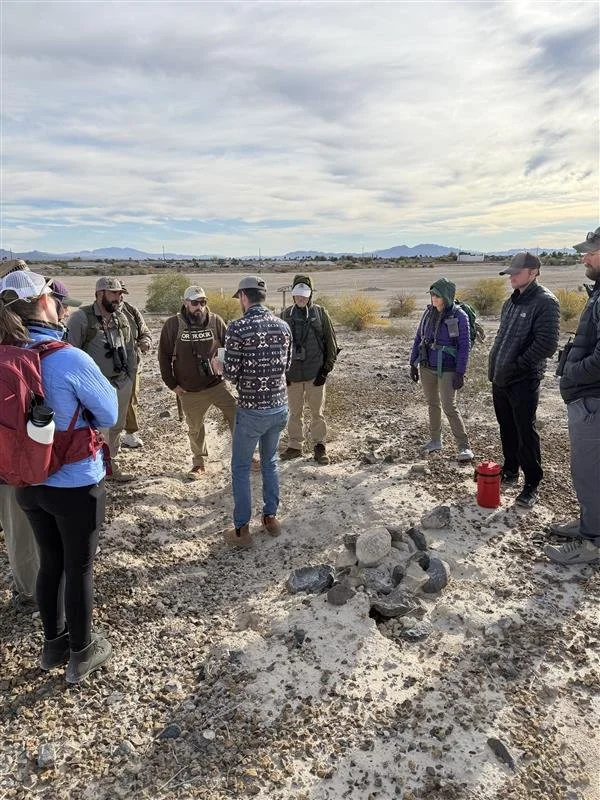
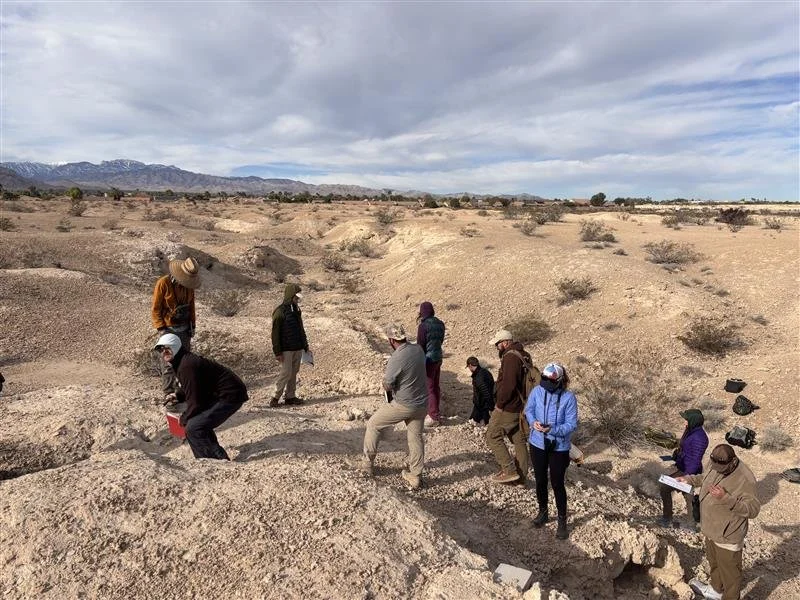
Participants will gain practical field experience identifying birds by sight, sound, and behavior within the montane habitats of the Spring Mountains. Emphasis is placed on real-time field identification, bird vocalization analysis, and nesting behavior, with direct application to avian monitoring and fieldwork.
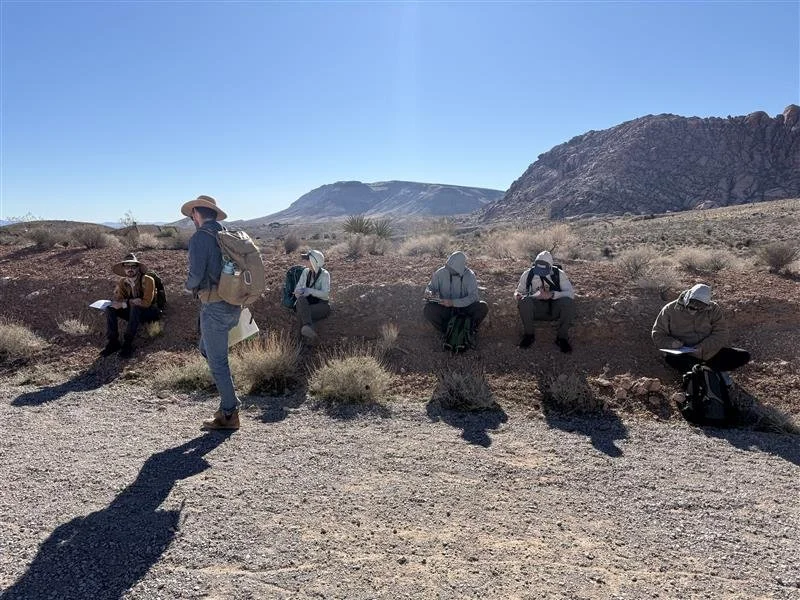
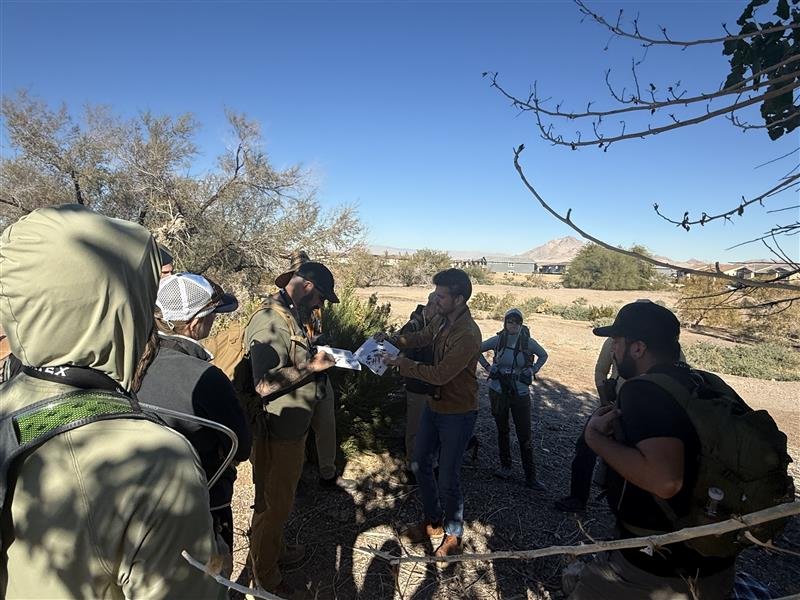
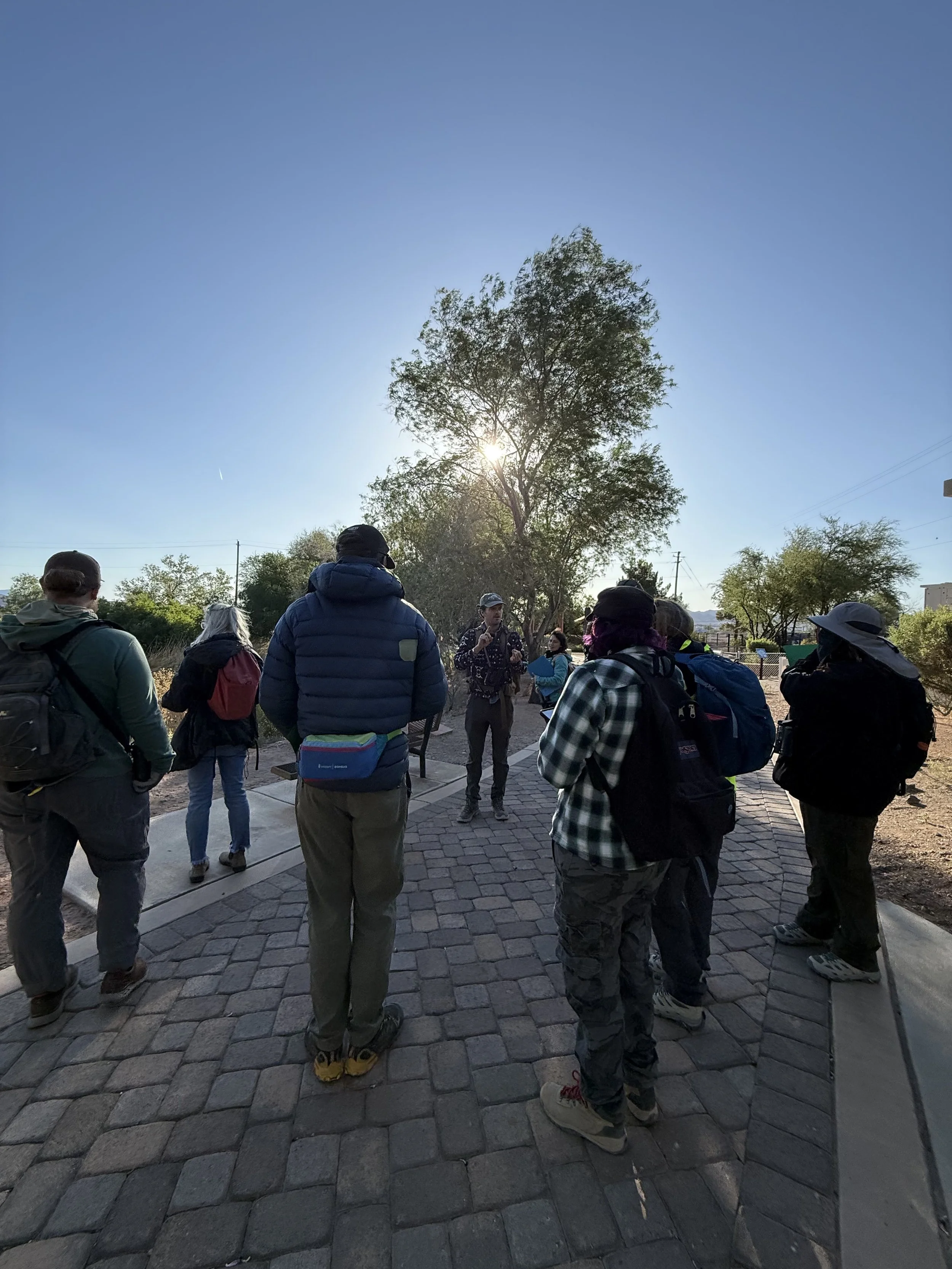
Each day combines guided field observation with structured outdoor instruction and applied exercises. Participants will develop field-ready skills while learning how to interpret bird activity within the context of breeding ecology and habitat use.
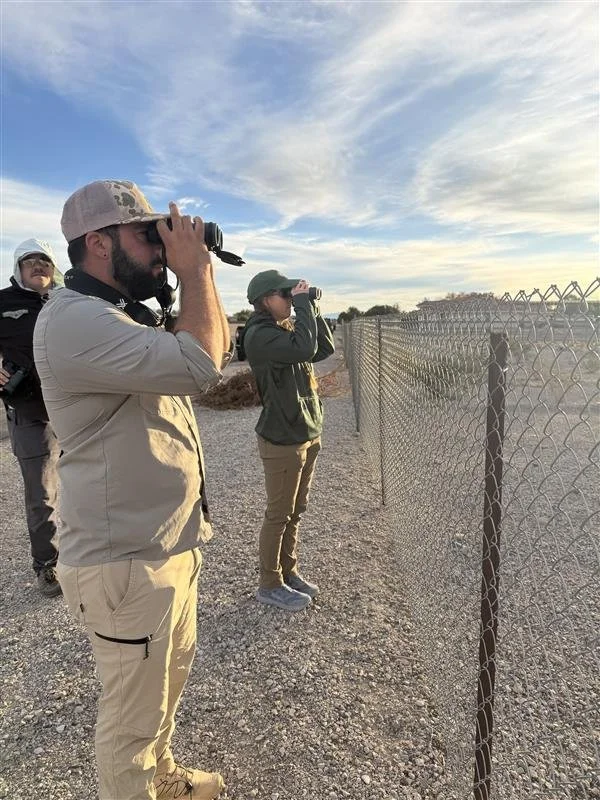
Field sessions are intentionally scheduled at sunrise to coincide with peak bird activity, allowing participants to experience and interpret the dawn chorus, one of the most important periods for avian detection and identification. We will be intentional about not disturbing breeding birds and their young, so binoculars are required.
Hosted by
Desert Shield Environmental Professionals in partnership with Alex Harper, Nature in Mind (see PDF download above for instructor profile).
Dates
Saturday June 6th, 2026 - Sunday June 7th, 2026
Location
The course will be based out of Las Vegas and will include 2 days of interactive field trips to various locations in the surrounding desert. Daily carpooling will be arranged.
Field instruction will take place in pinyon-juniper woodland and higher-elevation conifer habitats, with lunch and instructional sessions conducted in shaded outdoor settings.
“As an experienced Biological Monitor I never know how to get started learning about new species or topics. I appreciate how Alex shared his bird knowledge in a digestible format for a beginner and how Caitlin offered a great professional perspective. I look forward to more courses in the future!”
Course Objectives
By the end of this course, participants will be able to:
Begin to identify montane bird species by sight, sound, and behavior
Interpret bird vocalizations using pattern-based frameworks (tempo, pitch, repetition, tone)
Better link a bird’s habitat to it’s identity
Recognize breeding behaviors, including territorial displays, alarm calls, and food carries
Practice introductory nest searching techniques with an emphasis on ethics and observation
Use spectrograms and visual tools to support and defend identifications
Participate in a simulated nesting bird report scenario, focusing on field reasoning
Build confidence identifying birds under real-world field conditions
Registration and Cancellation Policy
Cost
$475 per participant.
This contribution includes two 8-hour field sessions, as well as 3 hours of online instruction, and helps cover instructor time, permits, educational materials, and field resources to ensure a high-quality, hands-on training experience. A limited number of need-based or veteran scholarships are available.
Enrollment is limited to 12 participants to maintain an intimate, field-focused learning environment.
To reserve your spot, please register below with a brief note about your interest and commitment level. Registration confirmation and additional details will be provided upon acceptance into the course.
Cancellation
Payment is due at the time of registration. Cancellations made at least 30-days before the course start date will receive a full refund. No refunds are issued after that date; however, registration may be transferred to another attendee.
Intended Audience
Can identify some local birds by sight
Entry-level biological monitors and field technicians
Students in wildlife biology, ecology, or environmental science
Birders seeking to transition into field-based work
Individuals interested in developing applied avian field skills
Course Agenda
Please note that session timing and agenda items may vary by course and seasonality. This outline is intended as a general overview of the topics to be covered. For additional information, please contact aviantraining@desert-shield.co
-
Location: Fletcher Canyon Trailhead, Kyle Canyon
Focus: Birding by ear, visual identification, and Spring bird season behavior
Time: 5:30 a.m. – 1:00 p.m. (approx.)Day 1 begins at 5:30 a.m. (sunrise) to take advantage of peak bird activity while minimizing heat and visitor traffic. This early start allows participants to experience the mountain ecosystem as it becomes active and to take in a morning of bird song.
The morning session emphasizes listening first, developing the ability to recognize and separate bird vocalizations in a complex soundscape. Participants will be introduced to a structured framework for learning bird songs that can be directly applied to avian monitoring work.
Species commonly encountered may include
Broad-tailed Hummingbird
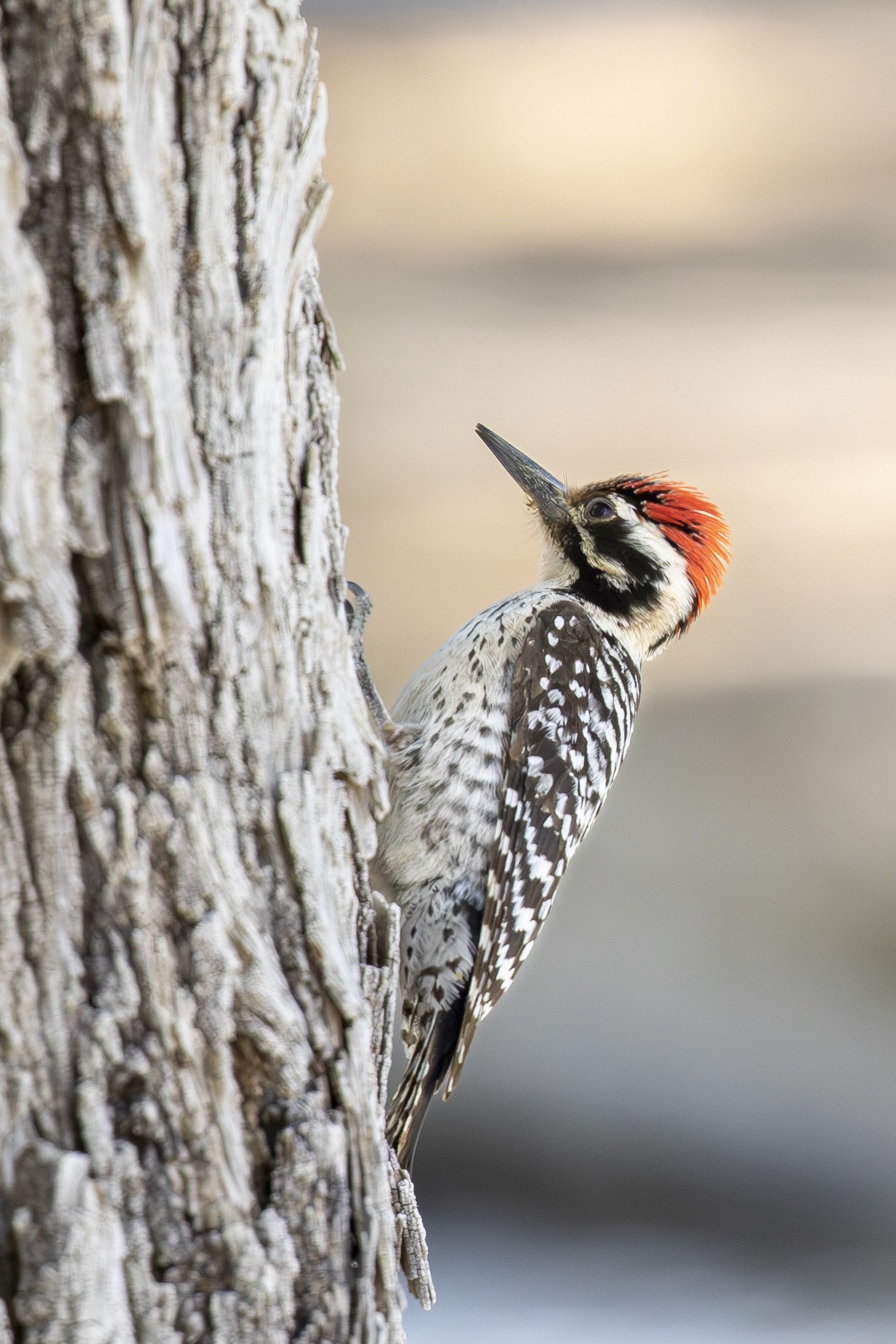
Hairy Woodpecker
Violet-green Swallow
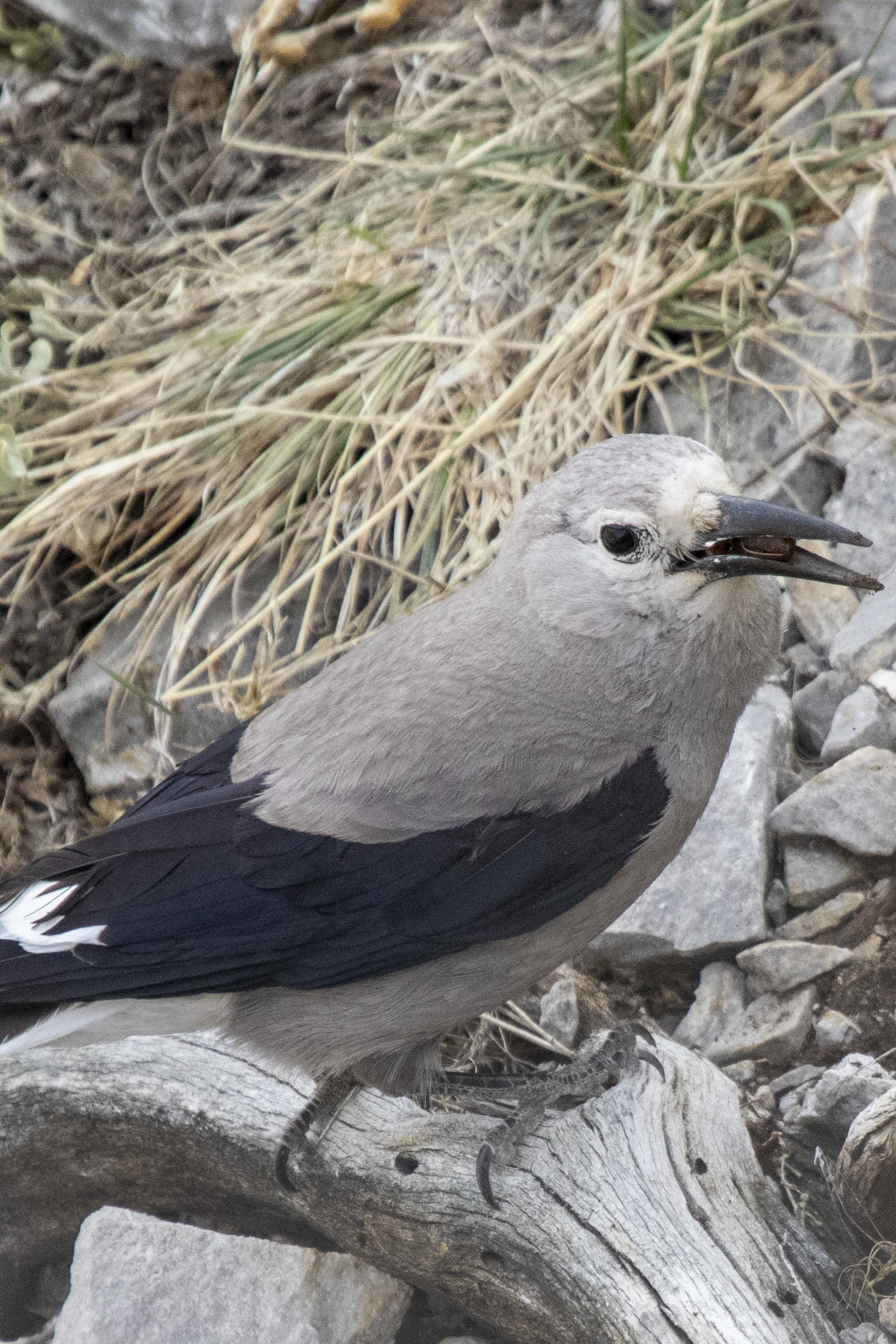
Clark’s Nutcracker
Woodhouse’s Scrub-Jay
Plumbeous Vireo
Brown Creeper
Mountain Chickadee
Pygmy Nuthatch
Cassin’s Finch
Chipping Sparrow
Dark-eyed Junco, and
Cassin’s finch.
At times, we will be in the appropriate habitat for Golden Eagle, Northern Goshawk, and Pinyon Jays – all species of interest to us and agencies.
Our goals are to be:
Identifying birds by structure, plumage and patterns, sound, behavior, and ecology
Recognizing vocal patterns (tempo, pitch, repetition, tone)
Observing breeding activity, including territoriality and feeding young
Participants will rotate through guided listening and observation exercises while maintaining field notes.
Following a mid-day lunch and outdoor instructional session, the group will travel downslope to a pinyon-juniper habitat area historically favored by Pinyon Jay. This brief stop will focus on habitat associations, social behavior, and vocalizations. With some luck, we may hear or observe Pinyon Jays, reinforcing earlier lessons in sound recognition and habitat-based identification.
By the end of Day 1, participants will be able to:
Identify multiple species by sight and sound
Describe bird vocalizations using more structured terminology
Recognize key breeding behaviors
Build a foundation for birding by ear in field conditions
-
Location: Upper elevations of Kyle Canyon
Focus: Advancing birding by ear, species identification, and Spring behavior
Time: 5:30 a.m. – 1:00 p.m. (approx.)Day 2 begins again at sunrise, reinforcing listening skills while expanding species recognition and field confidence. Participants will continue working with familiar species.
Refining birding by ear in complex sound environments
Linking sound, behavior, and habitat
Observing and interpreting breeding and territorial behaviors
Late morning transitions into applied field exercises focused on nest searching and behavioral interpretation. Participants will practice identifying nesting cues such as movement patterns, alarm calls, and food carries.
A simulated nesting bird report scenario will guide participants through:
Interpreting observations in real time
Making informed field decisions
Communicating findings clearly and defensibly
Following lunch, we will go over what we’ve learned in small group sessions.
By the end of Day 2, participants will be able to:
Identify a broader range of species by sight and sound
Apply structured approaches to birding by ear
Interpret bird behavior in relation to nesting and habitat use
Demonstrate introductory nest searching techniques
Communicate observations clearly and defensibly
“Highly recommend the avian workshop and I’m looking forward to more courses with Alex! His knowledge was evident and he provided instruction in an easy to absorb way and reinforced with great tips and tricks throughout the course.”
Outcome & Certification:
Participants who complete the 2-day course will receive a Certificate of Completion in Introduction to Avian Field Identification and Monitoring Techniques - Montane Edition, and will leave with:
A working foundation in avian identification by sight and sound
Practical exposure to nesting behavior and field interpretation
Experience applying identification skills in real-world conditions
Increased confidence in avian monitoring and field-based observation
Materials
Material provided: Field notebook, Pen, Avian Workbook (Copyright - Nature in Mind).
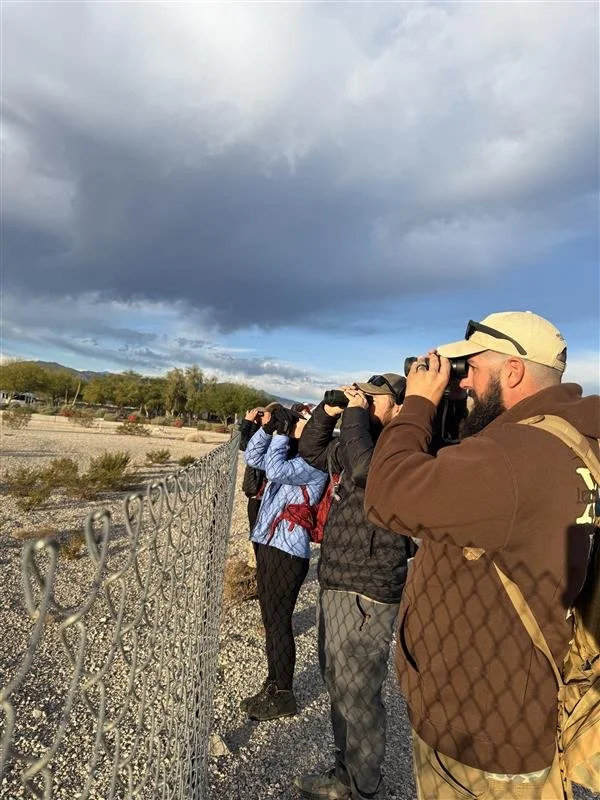
Students must bring: Binoculars, hat, sunscreen, water, lunches, pen/pencil, clipboard, backpack.
Cancellation Policy
Cancellations made at least 30-days before the course start date will receive a full refund. No refunds are issued after that date; however, registration may be transferred to another attendee.
Photography & Media Release
By registering for and participating in this workshop, you acknowledge and agree that photographs and/or video may be taken during the event and may be used by Desert Shield for promotional, educational, and marketing purposes, including on websites, social media, and other materials.
All Rights Reserved
All course content, materials, presentations, handouts, and the workshop agenda are the intellectual property of Desert Shield Environmental Professionals and Nature in Mind. Unauthorized recording, reproduction, distribution, or use of any course materials—whether in whole or in part—is strictly prohibited without prior written consent. All rights reserved.
Workshop Registration
Registration is simple. Pay online and use your preferred contact email and phone number at checkout so we can get you all the course details.
ZELLE PAYMENTS:
We prefer Zelle! It saves us $14.25 in processing fees per attendee. To pay by Zelle, send $475 to Zelle tag: "desert-shield”. Include the names, emails, and phone numbers for those attending in the comments and we will follow up with a confirmation email within a week.
Optional: Want to cover your portion of the 5% US Forest Service Special Use Permit fee? You can add $23.75 to your total to cover the fee. Not required!
What is Zelle?
Zelle is a fast, safe, and free digital payment service in the U.S. that allows you to send and receive money directly between almost any US bank account, typically in minutes. It is integrated directly into banking apps, using only an Zelle Tag or U.S. mobile phone number, with no need for third-party account transfers. Just log into your bank, find zelle, and enter “desert-sheild” as the Zelle tag to send money.
PAYPAL PAYMENTS: