

A Recap of our “Montane Edition” June 2026 Avian Nesting Bird Workshop at Mt. Charleston Nevada
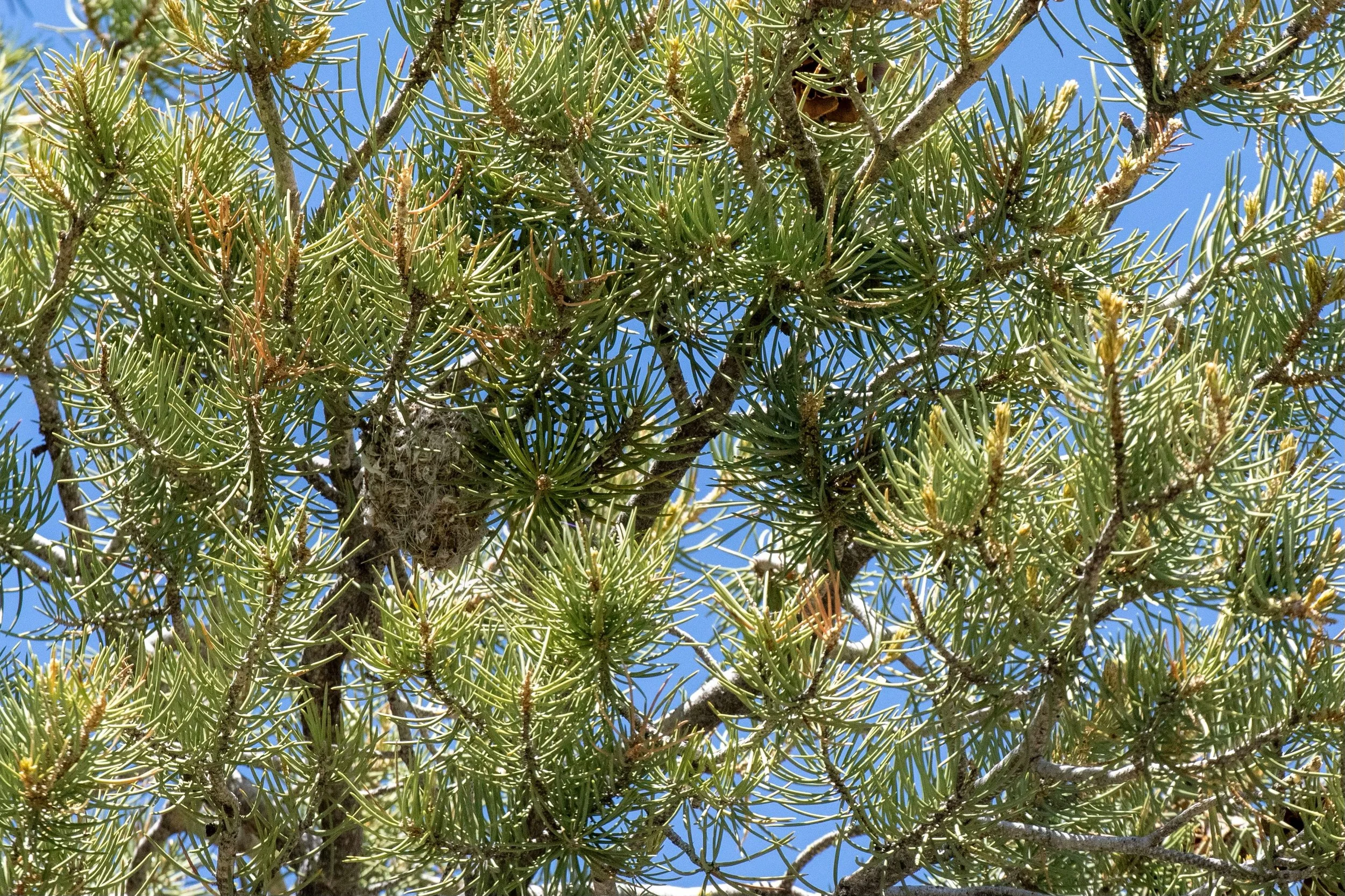
Following bird behavior to find active nests
Desert Shield’s most recent Avian Identification & Monitoring Techniques Workshop had a different feel from the earlier trainings.
For the June 6–7, 2026 Montane Edition, participants headed to Kyle Canyon in Mt. Charleston, Nevada, for two days focused on bird sounds, nesting behavior, and learning how to follow clues in the field.
The weekend was immersive, windy, and full of breeding bird activity. Even with strong wind on the first morning, the group found nesting birds right away.
Nest finding starts with observation
One of the biggest takeaways from the weekend was that nests are not usually found by simply surveying for nests.
They are found by watching birds.
Participants practiced following behavior: adults carrying food, birds returning to the same branch, territorial displays, begging calls, and repeated movement back into the same hidden spot.
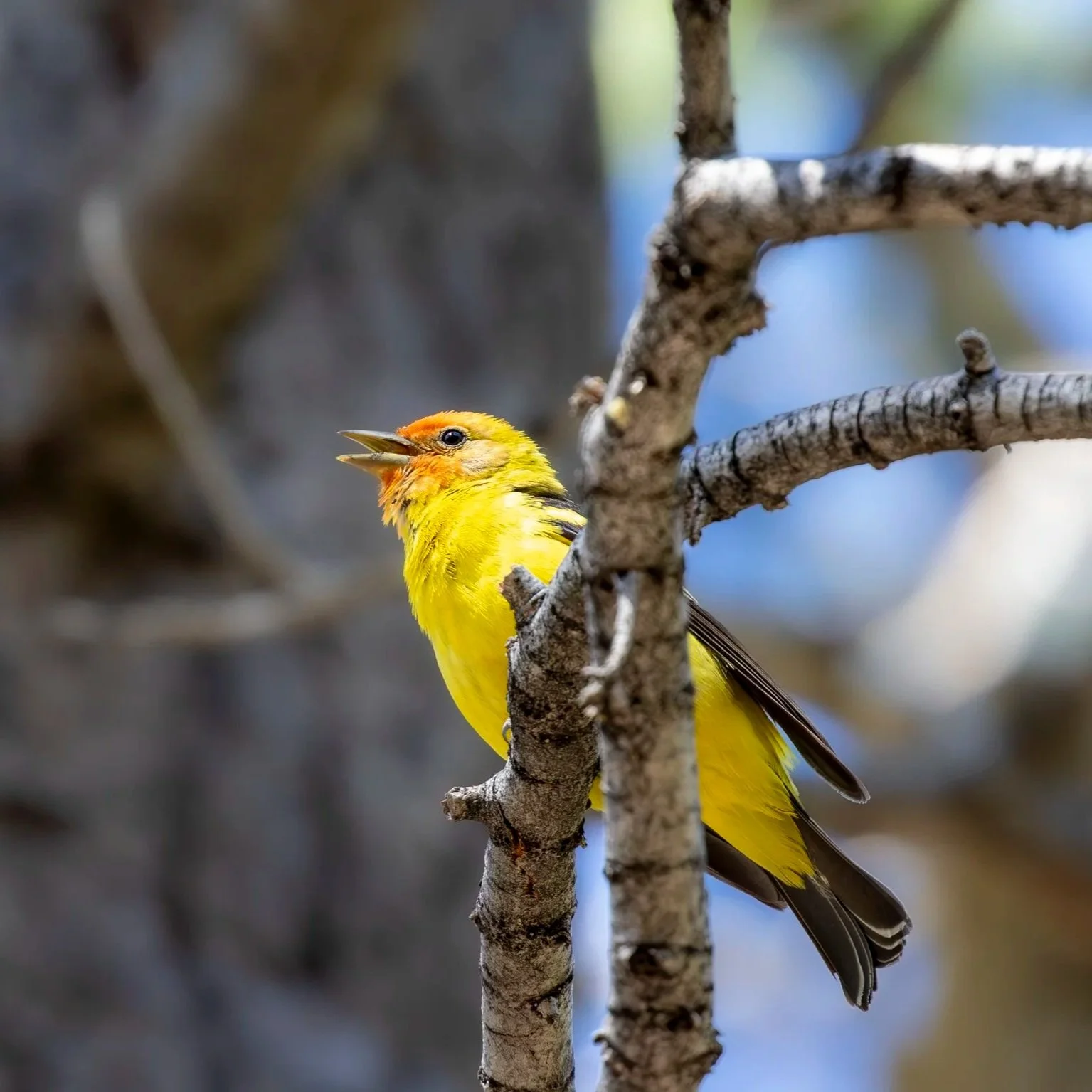
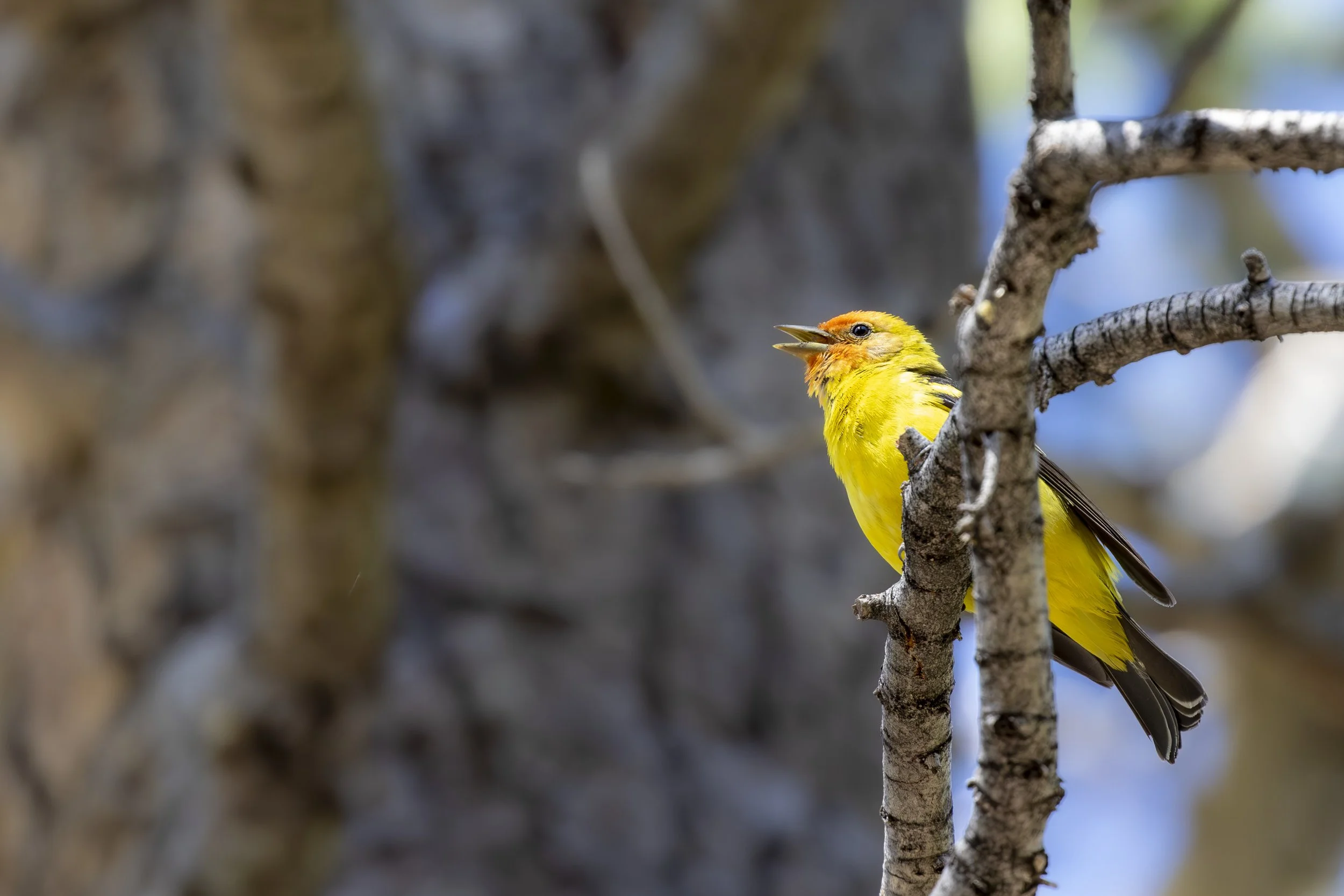
That patience paid off more than once. A Western Tanager sighting turned into a nest discovery after careful observation. A hidden Plumbeous Vireo nest was found after watching the bird return to the same area again and again. The nest seemed obvious once it was found, but only because the group stayed with the bird long enough to notice the pattern.
Active nests from eight bird families
One participant’s careful observation of a black-chinned hummingbird led us to its nest. These nests are notoriously small and hard to find. This was the exactly the kind of field moment the workshop was built around teaching: observe, follow the clues, and let the bird’s behavior guide you.
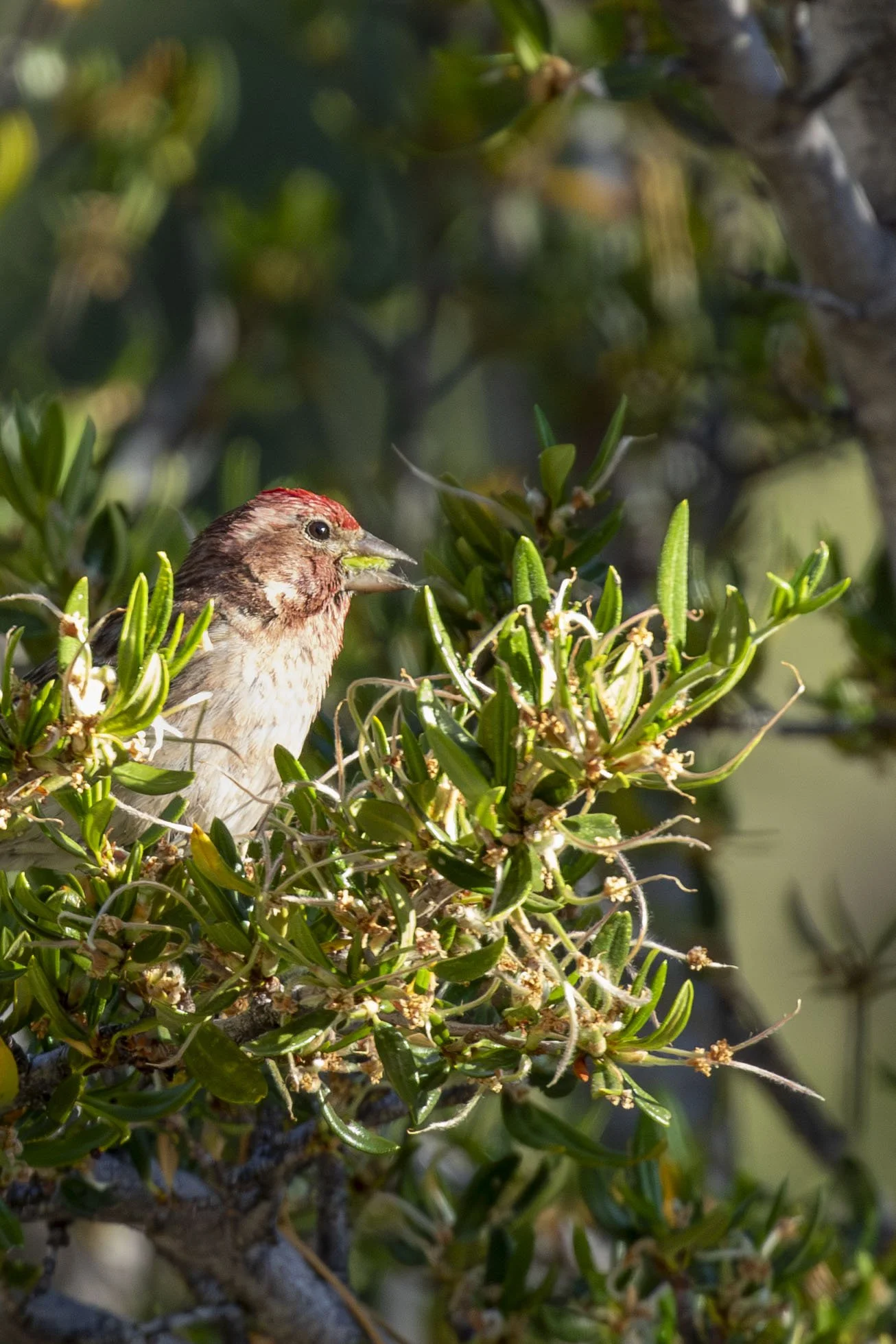
During the workshop, participants found active nests from eight bird families. A few highlights included:
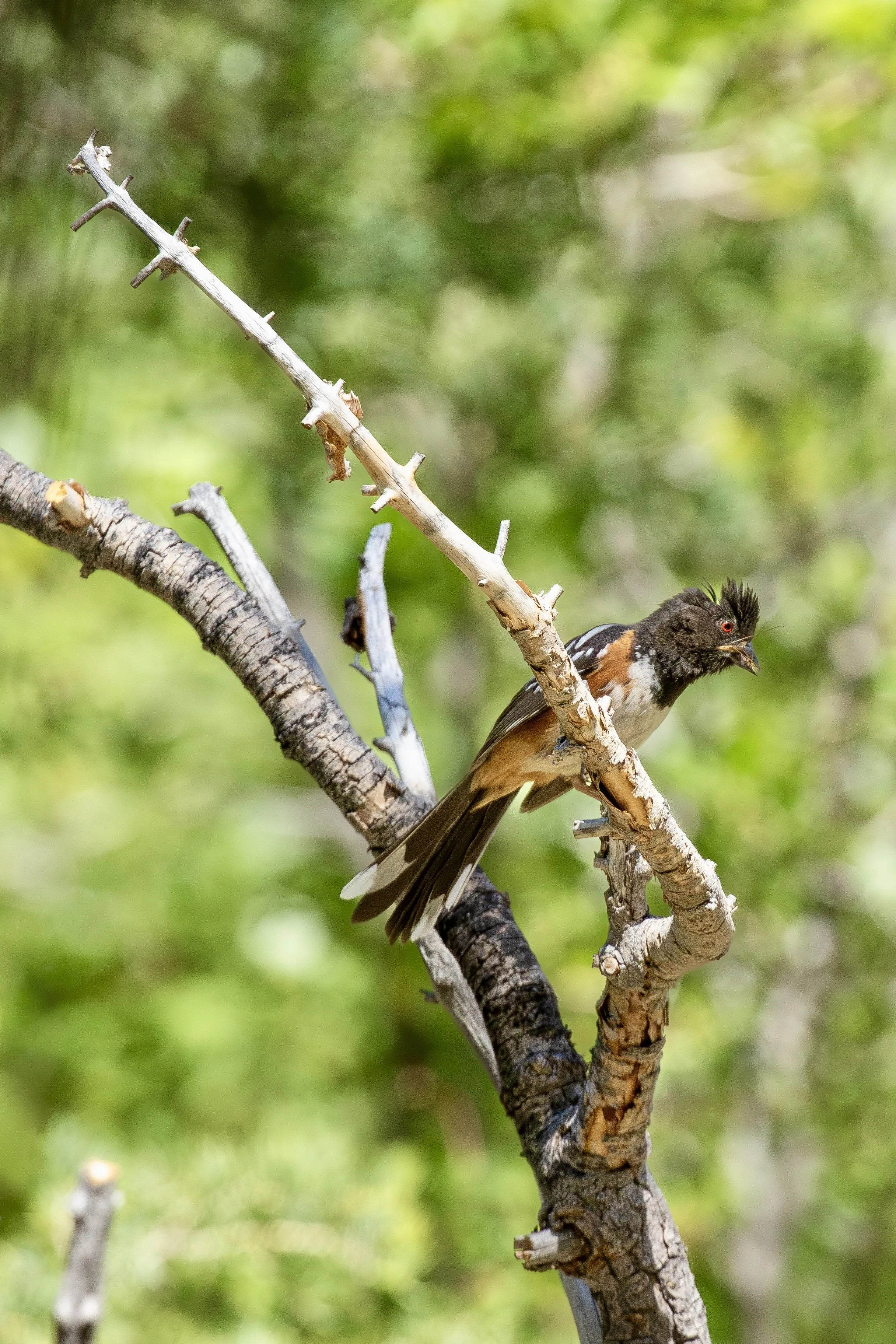
Spotted Towhee nest
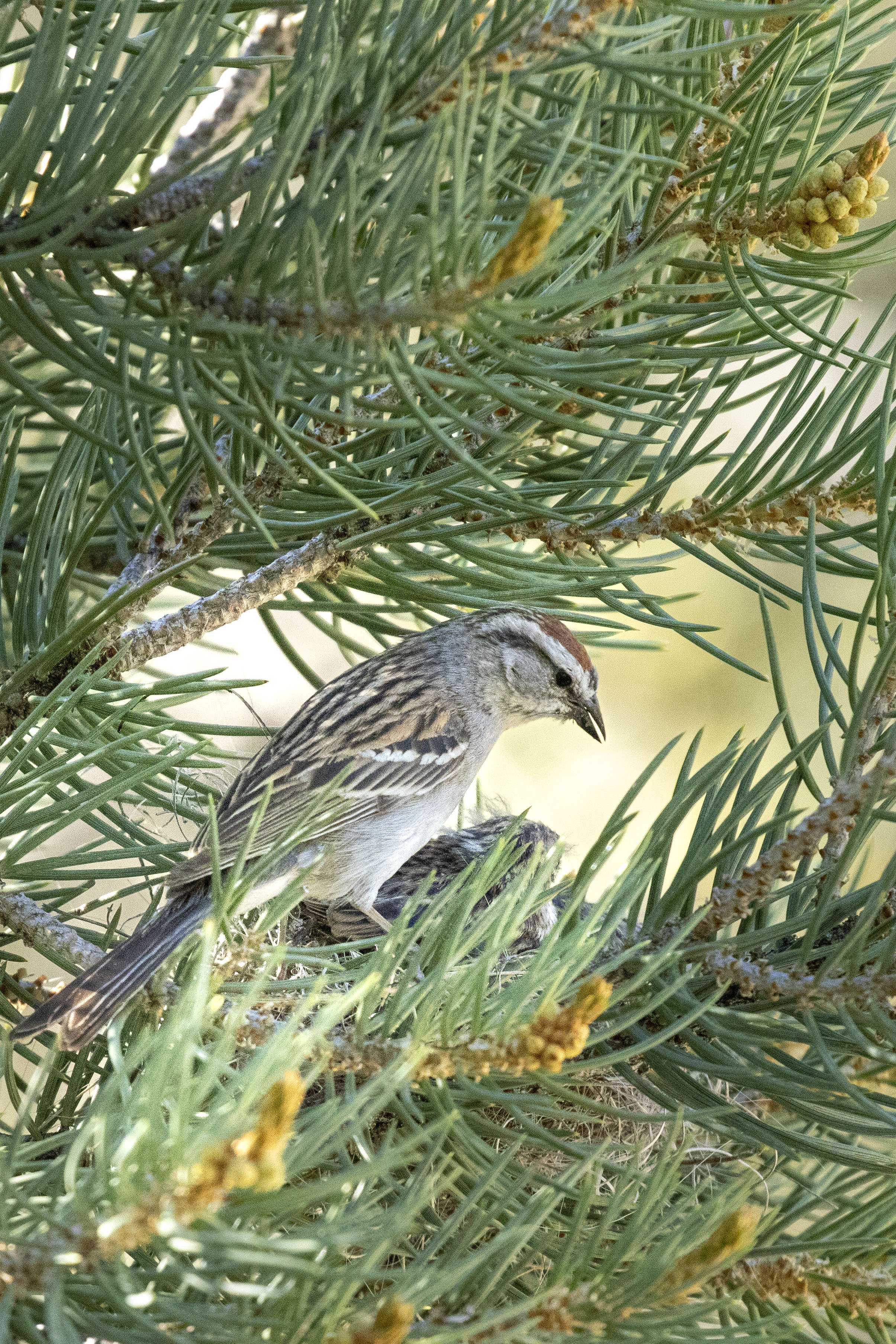
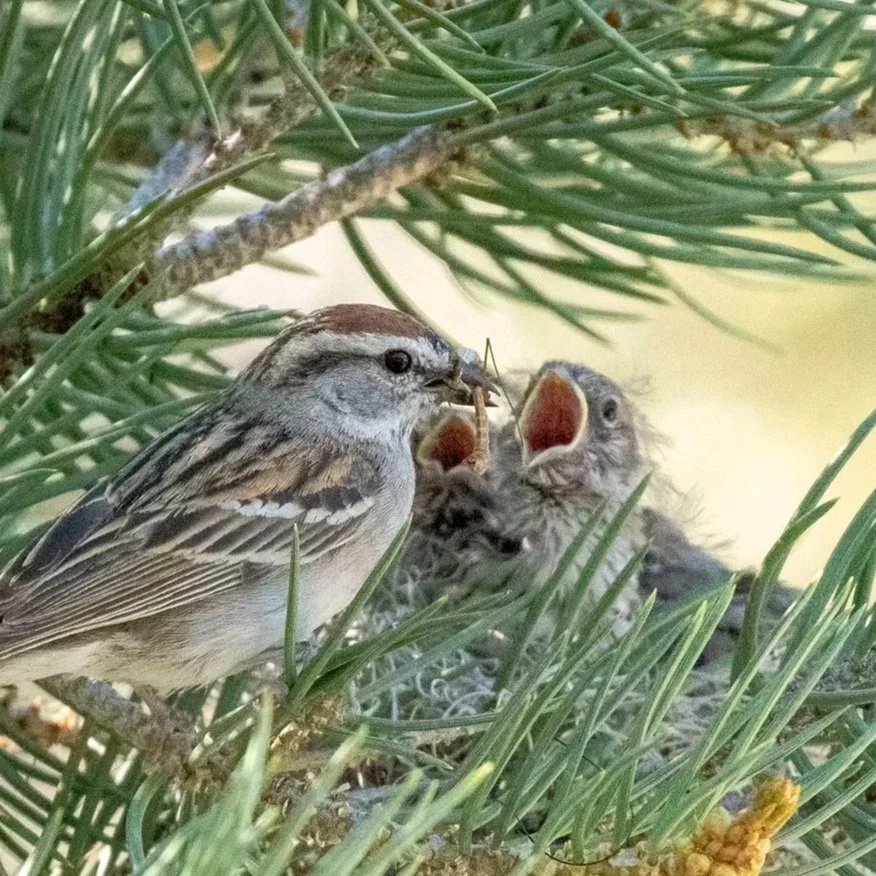
Chipping Sparrow nest with hatchlings
Western Tanager nest
Plumbeous Vireo nest
Black-chinned Hummingbird nest
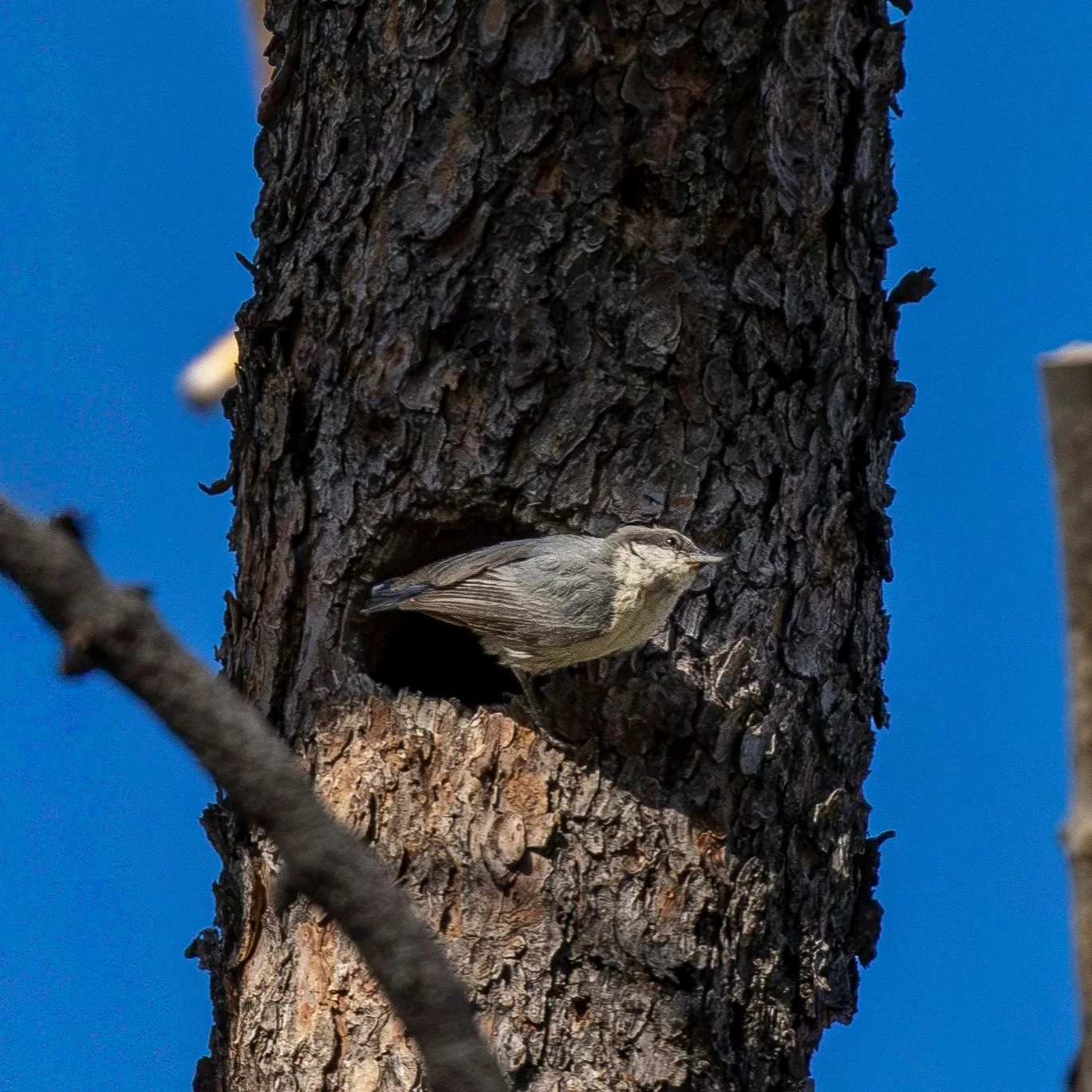
Pygmy Nuthatch potential nesting spot
Red-tailed Hawk nest with three branching young (“branching young” described below)
Learning through bird sounds and behavior
Sound was a major part of this workshop.
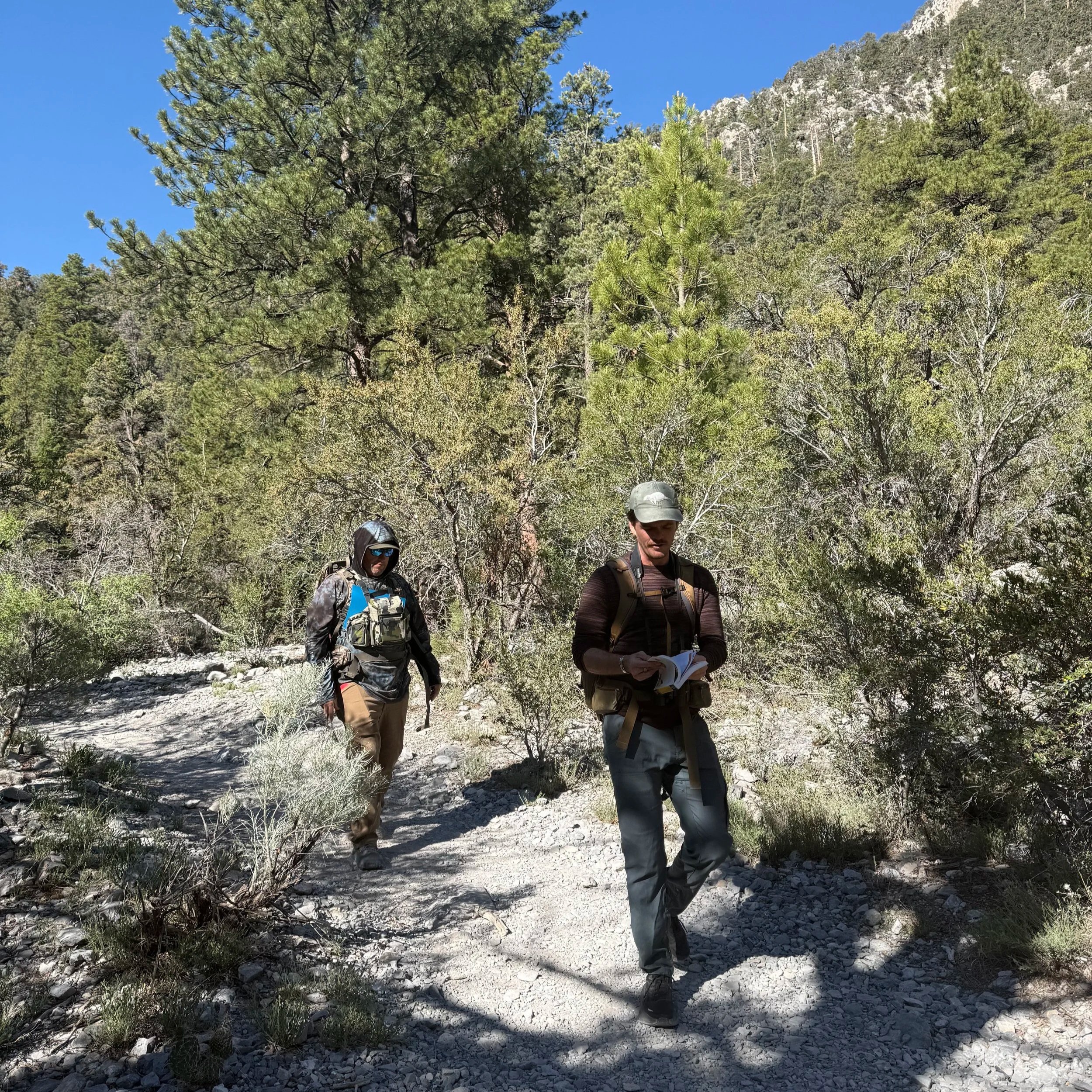
Participants listened for songs, contact calls, alarm calls, begging calls, and other clues that helped them understand not only which birds were nearby, but what those birds might be doing. Sometimes the sound came before the sighting, and a call from deeper in the trees or brush was the first sign that something was happening nearby.
Almost every bird seemed to be telling a story. Some were defending territory, some were collecting food, some were building nests, and others kept moving back toward the same hidden area. The group had to slow down, stay patient, and watch long enough for those patterns to become clear.
An unforgettable Red-tailed Hawk parenting observation
The group observed a Red-tailed Hawk nest with three branching young. Branching young are old enough to move around outside the nest, but not quite ready to fly.
Participants watched an adult guard the nest, leave to hunt, and later return with a cottontail in its talons. The adult appeared to be teaching or encouraging the young as they moved closer to fledging.
It was an unforgettable final observation and a perfect example of why time in the field matters. In one moment, participants were able to watch nesting behavior, parental care, prey delivery, and young raptor development unfold in real time.
What participants took away at the end of the workshop
Participants had practiced more than bird identification.
They learned how to recognize breeding behavior, interpret what birds are doing, listen for sound clues, and understand how nest placement differs across bird families.
They also practiced the kind of patient observation that matters for nesting bird monitors, avian specialists, biological monitors, and field biologists working in the Southwest.
The main lesson was simple:
You cannot find nests by only looking (or surveying) purely for nests. You have to look and listen to the birds, then let their behavior lead the way.
Nesting bird monitors need to recognize signs of breeding activity, document observations clearly, and understand when bird behavior may indicate an active nest nearby.
Desert Shield’s montane workshop gave participants real practice with those skills in the Spring Mountains, surrounded by active nests, fledglings, territorial displays, and bird sounds.
Need avian specialists or biological monitors for your project?
Desert Shield Environmental Professionals can help support avian monitoring, nesting bird surveys, compliance monitoring, and biological field staffing across the Desert Southwest.
