

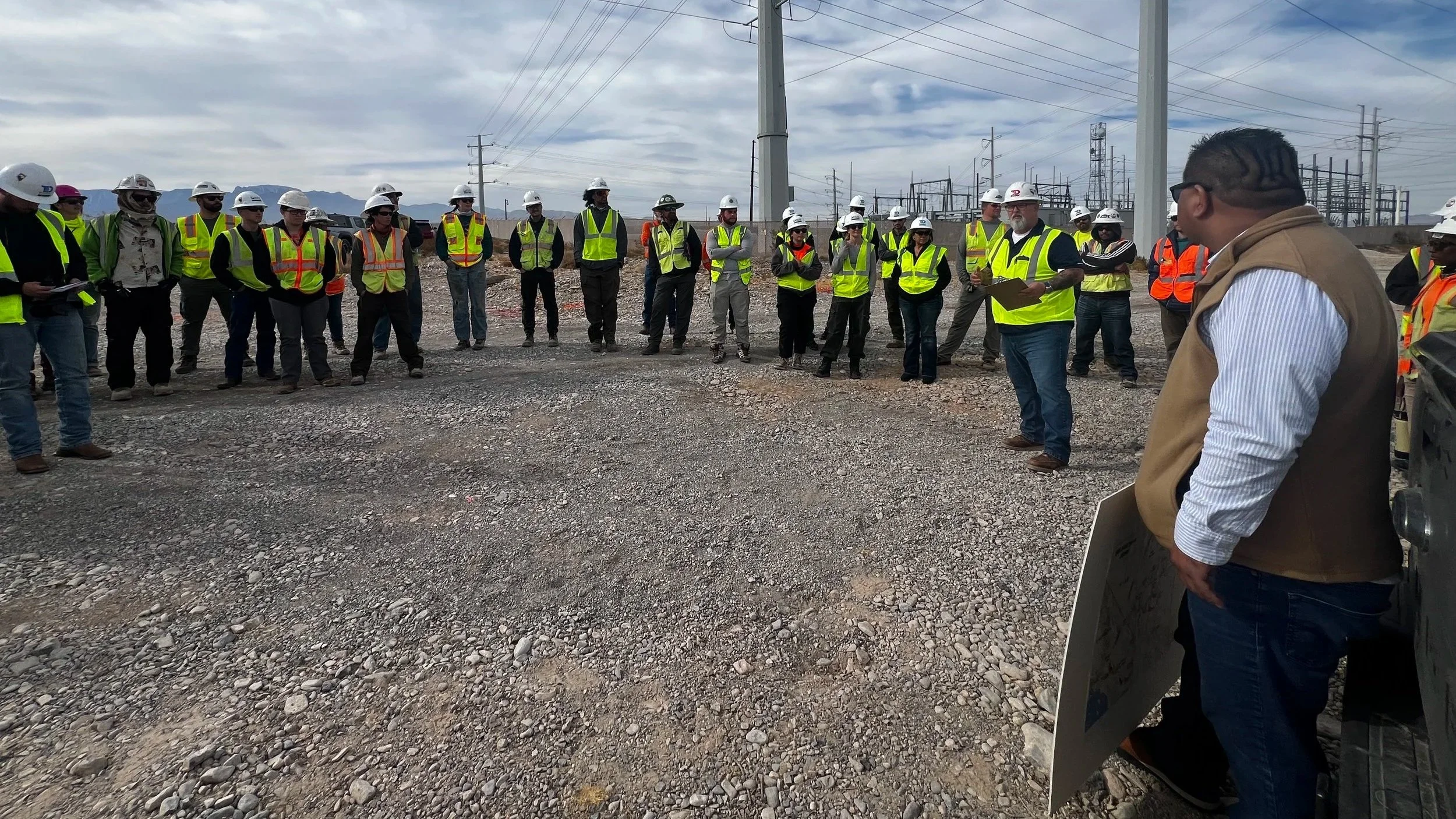
A good Worker Environmental Awareness Program training does more than check a compliance box. It gives every worker clear, memorable instruction they can use when something unexpected happens in the field.
Worker Environmental Awareness Program training, commonly called WEAP training, is often the first environmental requirements crews encounter before entering a project site. At its most basic, a WEAP explains what protected resources may be present and how to interact with those resources, and what workers must do onsite to stay compliant with environmental laws. This can be things like speed limits, wind and dust regulations, what to do when they see specific wildlife or cultural material, and the laws protecting those things.
But a good WEAP should accomplish more than information delivery. It is an opportunity to inspire through education. A good WEAP will engage participants and give them facts that inspire them to care about the resources they are working around. If workers leave a WEAP training seeing it as more rules and regulations, the WEAP was a failure. A good teacher inspires it’s students to ask questions and be curious about the subject they are teaching.
This blog is intended to give you tips on how you might do that.
“If workers leave a WEAP training seeing it only as more rules and regulations to slow their work down, the WEAP was a failure. A good WEAP instructor leaves workers with fact that make workers want to learn more about the resources they were taught about during the WEAP.”
Where WEAP requirements come from
There is no single federal or state checklist that applies to every WEAP. The required content normally comes from the approvals and commitments governing the specific project. Depending on the location and work, those sources may include a Biological Opinion, incidental take authorization, Habitat Conservation Plan, CEQA or NEPA mitigation measures, agency conditions of approval, land-management requirements (BLM and Forest Service), species-specific protection plans, or other permit documents.
For example, a solar project in Mojave desert tortoise habitat should not receive the same training as an urban utility project or a riparian restoration project. The species, work limits, reporting chain, stop-work procedures, and documentation requirements may all differ.
What a project-specific WEAP covers
A project-specific WEAP should cover:
The project area, access routes, approved work limits, and environmentally sensitive areas.
Sensitive species, habitats, cultural resources, and other resources that may occur on or near the site.
The federal, state, local, and land agency protections that apply to the work.
Project-specific avoidance, minimization, mitigation, and restoration measures.
Buffers, exclusion zones, types of flagging and their meaning, fencing, speed limits, and site-access restrictions.
Required procedures for vehicles, equipment, trenches, open holes, trash, food, water, pets, and smoking.
What triggers a pause or stop in work, who has authority, and who must be contacted.
Training records and WEAP stickers
Bilingual or translated training when needed
These items should come straight from the controlling project documents to ensure it’s project specific and not relying on outdated measures.
Most projects require training for all on-site personnel, including surveyors, construction engineers, contractors, subcontractors, supervisors, inspectors, and delivery personnel, as well as training logs, showing that each worker completed the training.
Why WEAP training matters
Construction crews are the ones breaking ground. They are often the ones that hold the most power to ensure the Project stays compliant.
If workers do not know what to look for, they may miss it. If they do not know where the project boundaries are, or what environmental exclusion flagging looks like, the project can run into compliance issues, delays or cause harm to protected species.
Additionally, WEAP is generally required on projects using public lands. American Lands. The desert tortoise, the Joshua tree, and the clean air over the desert valley are public resources that belong to all of us and to the people who come after us. It is about looking after our own country, our own ground, and the health of our own families. Give a worker a reason to be proud of the land under their boots and environmental protection stops feeling like silly rules and a patriotic duty.
That is why WEAP training is often required before starting work so workers understand the environmental, natural, and cultural resources that may occur on the project site, the work practices designed to protect those resources, and the consequences for violations.
A WEAP should not be copied from one project to another without review. The training needs to match the project permits, site conditions, sensitive species, approved work areas, and agency requirements.
What a good WEAP actually does
Three things, done well.
Explains the rules clearly, so workers know exactly what they can and cannot do.
Connects those rules to the field, so a worker can picture a tortoise burrow, understand why trash matters, and know who to call when something turns up in the work area.
Makes it stick, using real photos, field stories, and facts workers actually want to repeat.
Worker engagement is key
A long, dry presentation full of rules may technically meet a requirement, but it may not help a worker actually care about the requirements when they are on day six of long thirteen hour days in 100 degree weather..
A good WEAP engages workers to make the training practical and easy to remember.
That can include:
Interesting photos of the species and their sign
Short anecdotal field stories from real project sites
Facts that aw and inspire workers to want to learn more
Background on why protecting these resources is protecting all American’s land or resources
Simple “stop work and call” scenarios or “What would you do?” examples
Quick quizzes or Species ID games
Interesting Hardhat stickers (we are all kids at heart!)
Environmental protection on a job site is up to all wokers , including drivers, inspectors, supervisors, subcontractors, and delivery personnel.
INTERESTING FACTS TO INCLUDE IN YOUR WEAP TRAINING
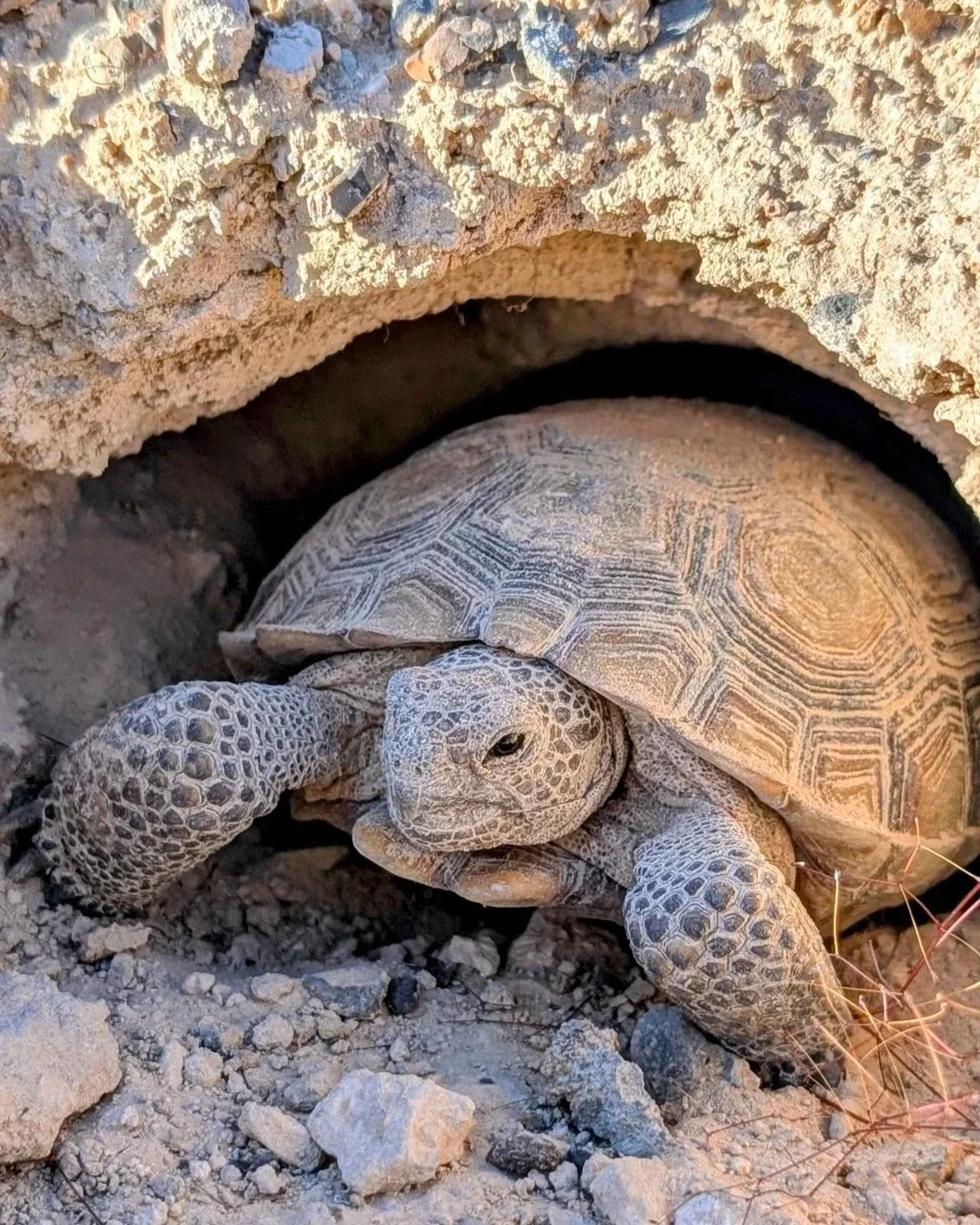
Tortoise Facts Construction Workers Love
A desert tortoise out on your site could be 70 to 80 years old. Some were hatched before the highway you drove in on existed.
An adult can go a year or more without drinking water. It stores water in its bladder, up to 40% of its body weight. If you scare a tortoise and it empties its bladder (which is really common right after a big rain when their bladders are really full), you may have just cost it the water it needed to survive the summer.
Only about 2% of hatchlings ever reach adulthood. That means every single adult on your site is a rare survivor, which is why losing even one adult is a big deal.
A tortoise doesn't even start reproducing until it's 15 to 20 years old. It has a slower life cyle than humans!
Tortoises spend at least 95% of their lives underground in burrows. So even when you don't see one, the ground you're working can be occupied.
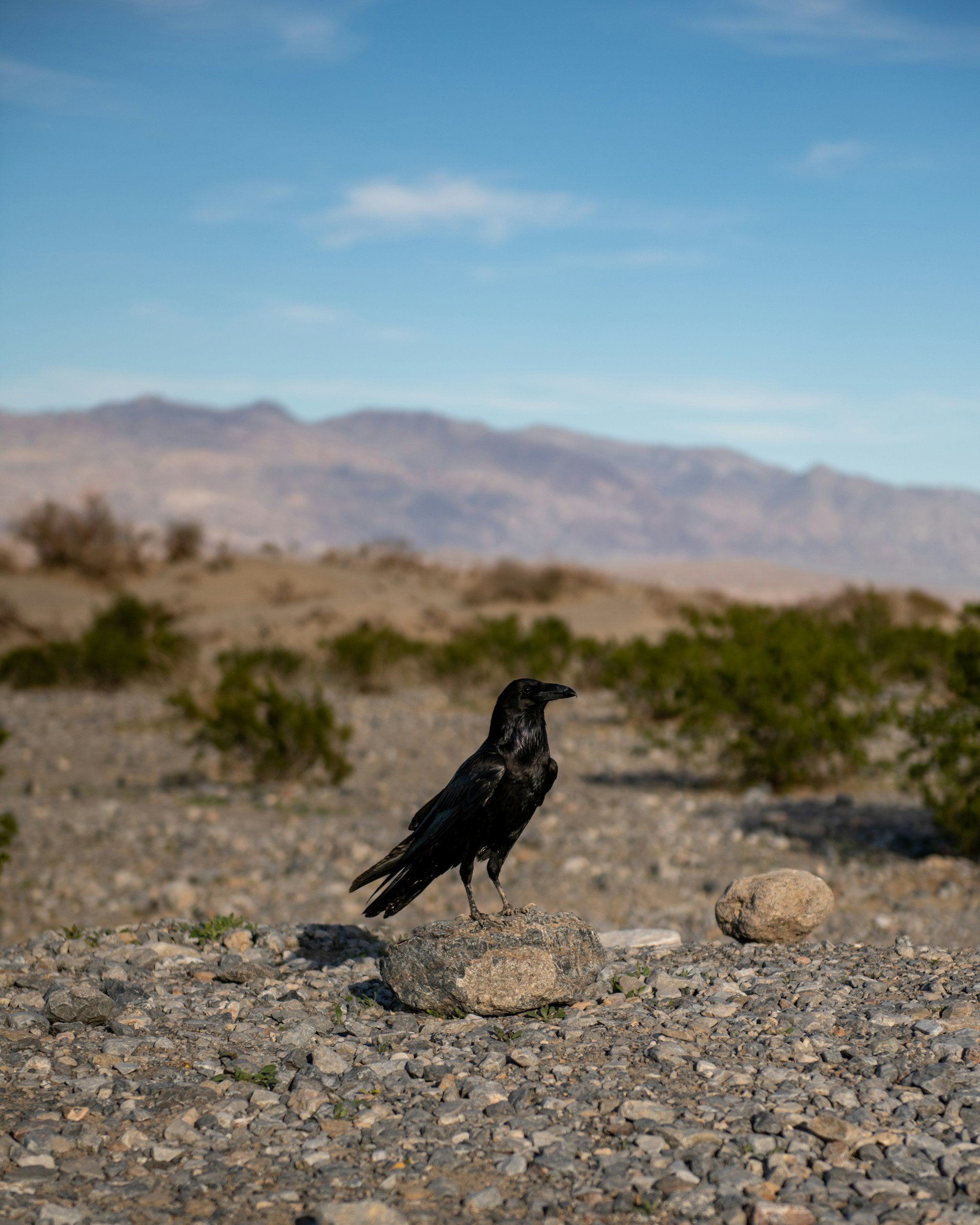
Raven facts that help workers understand trash rules
On desert projects, raven management is often connected to desert tortoise protection. USFWS has identified common raven predation as one of the threats to desert tortoise recovery, especially for hatchling and juvenile tortoises. Human-provided food, water, nesting sites, and roosting sites can support higher raven numbers in desert areas. That is why WEAP training often includes strict rules about trash, food waste, open water, and site cleanliness.
A few useful raven facts for training:
Raven numbers in the Mojave have jumped more than 700% over about 40 years, and Christmas Bird Count data show raven sightings up roughly 1,685 fold since the 1960s. Nothing else out here comes close to population growth of that scale (Audubon, USFWS Raven EA). We built that boom. Ravens feed on our trash and roadkill, drink from our leaks and standing water, and nest on our power poles, signs, and towers. Scientists literally call them a "subsidized predator."
Researchers once found 250 young tortoise shells under a single raven nest, built up over four years. One nest!
At one study site, ravens caused 70% of all young tortoise deaths. On another solar project I worked on, every single bird nest we found on the solar site was predated on (killed by) by ravens. So every time a raven is drinking water on our site, or eating food left in a trash uncovered, that’s us “subsidizing” ravens, and indirectly harming tortoise and other populations (USFWS Raven EA)
In one study, three desert towns started closing their dumpster lids on a regular basis and raven visits to those dumpsters dropped 50%. Animal proofing trash and preventing water from pooling really does have an impact.
Ravens use tools, and their young play by dropping sticks and catching them midair.
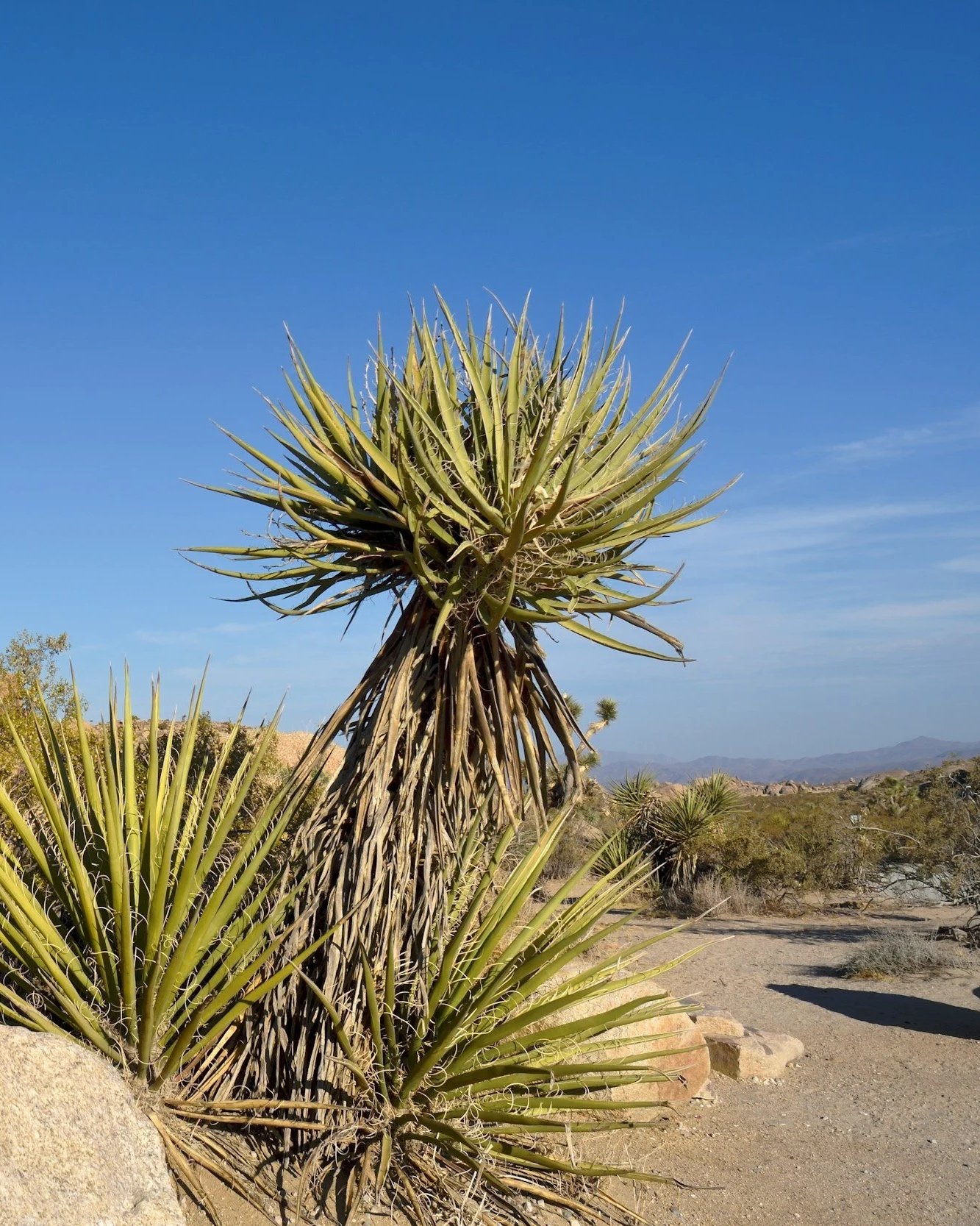
Other engaging facts for protected species or WEAP requirements
Creosote & Blading: That scraggly creosote bush you'd never look twice at can be one of the oldest living things on Earth. The famous "King Clone" ring in the Mojave is about 11,700 years old, older than farming, older than the pyramids by thousands of years. Creosote grows so slowly that David Attenborough filmed King Clone in 1982, came back in 2022, and it had grown less than one inch in 40 years. You cannot replace that with a seedling during your project’s restoration! So, PLEASE, minimize grading to the extent necessary!
Mojave yuccaand blading: is the same story. A single plant takes about 100 years just to mature, and yucca “clumps” are often 700-12,000 years old! One blade of a bulldozer and centuries of life is destroyed. That is why agencies are trying to replant them. They are the “old growth” of the desert. One of the few species adapted to survive out here. When someone says "it's just a bush," the honest answer is that bush may predate the United States by a thousand years!
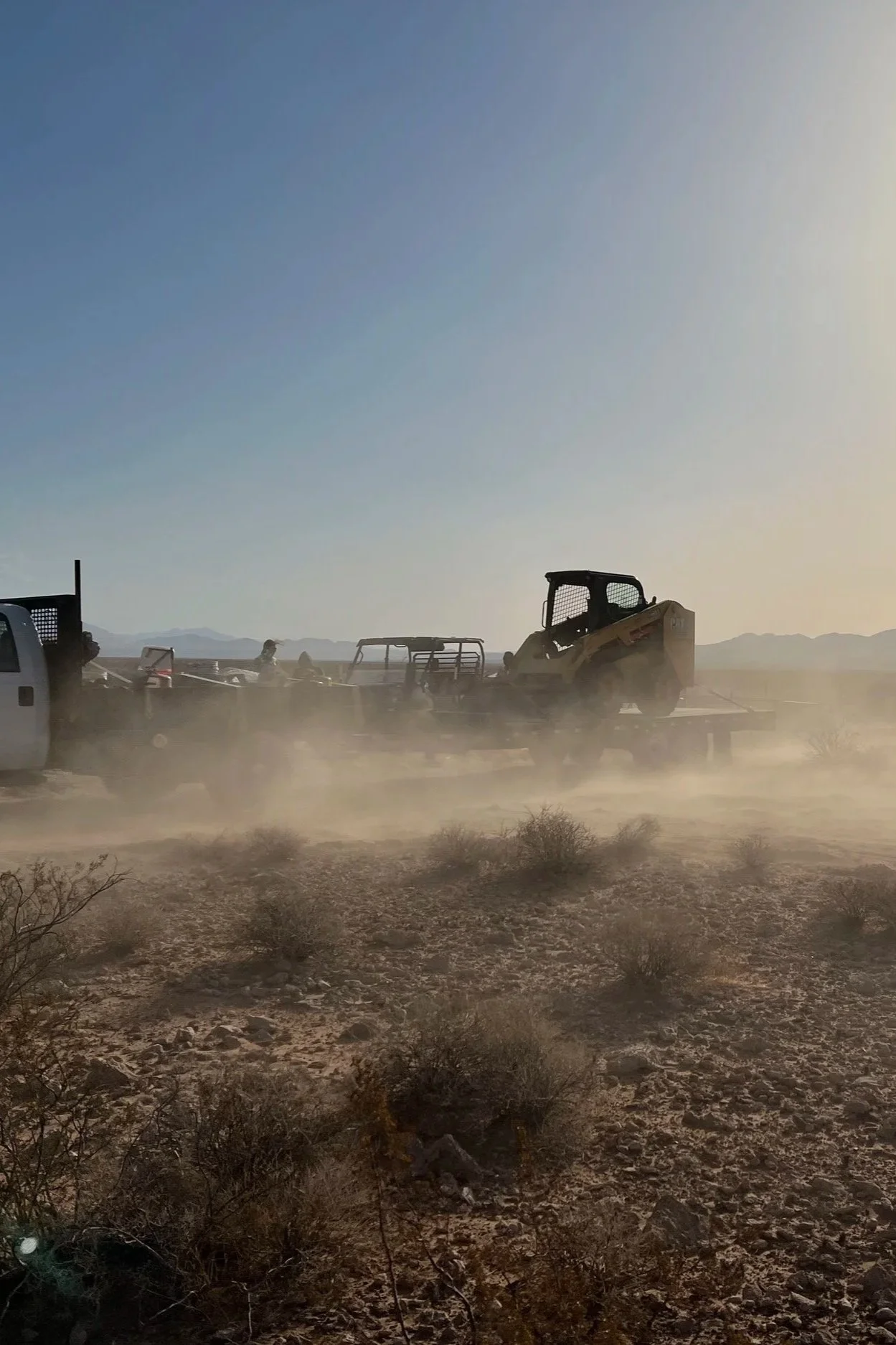
Desert Pavement and cryptobiotic soils works like a lid. Desert pavement is a tight mosaic of interlocked rocks that took thousands to hundreds of thousands of years to form. Biocrust can take decades or hundreds of. Years to reform. Under that rock lid sits a layer of fine, powdery silt, or "moon dust." The pavement and “bio-crust” is the only thing keeping wind from lifting it. Scrape the lid off and you release silt that took ages to settle. That's the whole reason "stay on approved roads and limit your footprint" is an air quality rule, not just a wildlife rule. Every square yard you don't disturb is dust that stays on the ground instead of in our air and in someone's lungs.
The Gila monster is the only venomous lizard native to the United States, and a hormone in its saliva became the diabetes drug Byetta, the same GLP-1 science behind today's famous weight loss meds. Proof we can't know which desert species holds the next medicine before it’s potentially lost. Their survival depends on rain, as Gila monsters can only cary about 80 days worth of water in their body, so drought and development is a big reason for it’s decline. They spend 95% of their time underground and have almost 100% mortality rate when relocated because they are so dependent on their chosen habitat for survival and shelter
A kangaroo Rat and Desert Plants: A kangaroo rat can live its entire life without ever drinking a drop of water, making its own moisture from the dry seeds it eats, and it replants the desert's next generation of plants as it buries seeds.
Eastern Joshua Tree: They just recently discovered the eastern Joshua tree can only be pollinated by only one creature on Earth, a single tiny eastern yucca moth, and the moth can't reproduce without the tree either. If we loose the moth, we loose the Joshua tree. (USGS)
The desert kit fox is the smallest fox in North America, house cat sized with oversized ears, never has to drink water since it pulls moisture from its prey, and is a state protected species that dens in the ground. (Nevada Dept. of Wildlife)
“A strong WEAP helps workers understand the “why” behind the rules. It gives crews the information they need to protect sensitive species, avoid compliance issues, and keep work moving safely. It also sets up an early good interaction with project biologists, allowing easier collaboration and enforcement of environmental compliance.” — Caitlin MacMurtrie, Principal Biologist
How Desert Shield Can Help
Desert Shield Environmental Professionals helps project teams create and deliver WEAP trainings that set projects up for success through engaging and fun trainings.
Our team can support:
Project-specific WEAP development
Worker Environmental Awareness Training
Desert tortoise awareness training
Nesting bird and avian awareness training
Burrowing owl training
Raven management messaging
Sensitive species identification materials
Tailgate refreshers and field briefings
Bilingual or worker-friendly training materials
Training sign-in sheets, hardhat sticker systems, and compliance records
Biological monitoring and construction compliance support
